How a Car Accident Lawyer Turns Crash Evidence Into Hard Proof
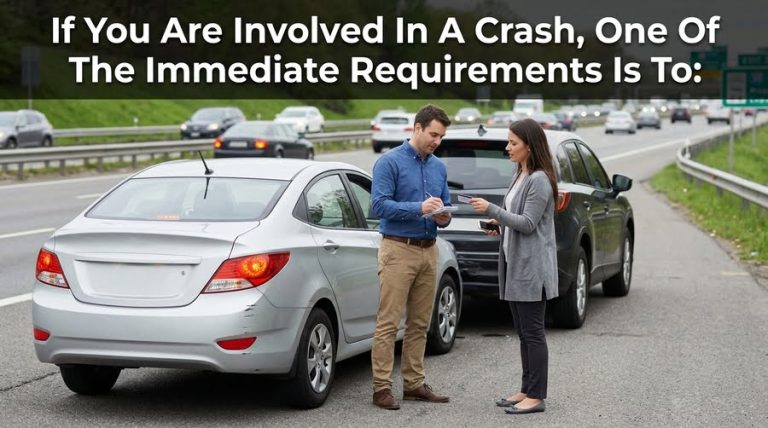
On St. Louis roads, the story of a crash can change before the tow truck leaves. A driver’s account, a damaged vehicle, and a witness’s memory can point in different directions, while traffic footage or nearby business video can be deleted. Missouri’s fault rules give those details legal weight, yet the claim still depends on connecting the impact to a documented injury and measurable loss. The sooner you protect the record, the easier it is to test what each side says happened.
Anyone seeking a car accident lawyer in St. Louis should ask how they will gather, preserve, and clearly explain the evidence. Strong cases place photographs within the factual record. They trace the crash through independent records, compare competing accounts, and link medical treatment to the collision. That process gives an insurer a clear basis for review and helps an injured person decide what to do when fault or damages remain disputed.
Build A Timeline From Independent Crash Records
First, the lawyer establishes the sequence of events. A police crash report, dispatch records, scene photographs, vehicle damage, medical records, and witness accounts answer different questions about the collision. Together, they can show where vehicles traveled, when braking began, and what happened after impact.
Timing matters. Surveillance footage can be overwritten, damaged vehicles can be repaired, and electronic data can disappear during routine handling. Counsel sends preservation requests to those holding relevant material and records who collected and handled each item and when.
Preserve Digital And Witness Evidence Early
Drivers should keep original photographs and messages, avoid editing files, and back up copies without changing metadata. Screenshots can omit dates or location details, so original files provide more information. A lawyer can request vehicle event data through proper procedures and preserve records needed to interpret it.
Witnesses need timely follow-up. The lawyer records each person’s name and contact information, asks questions, and preserves the account in the witness’s own words. Clear notes separate what witnesses saw from what others later told them.
Read Physical Evidence Correctly
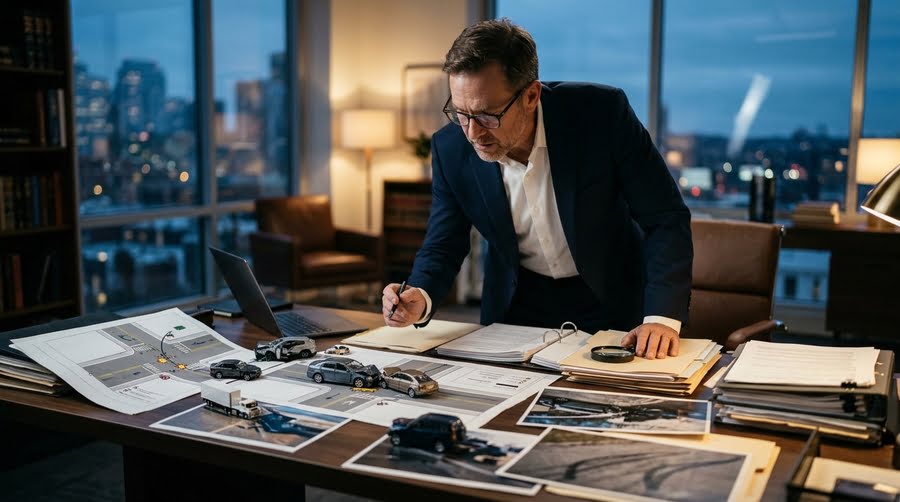
Vehicle damage can help test how a collision occurred, but a damaged bumper alone does not establish fault. When needed, a reconstruction professional examines crush patterns, debris, roadway marks, and vehicle geometry. The lawyer connects those findings to photographs, measurements, and testimony.
An expert’s opinion must rest on disclosed facts and a sound method. If physical evidence conflicts with a driver’s account, the lawyer identifies the conflict and checks whether an explanation fits the scene. This separates supported conclusions from speculation.
Link Medical Records To The Crash Timeline
Medical records establish diagnosed injuries and treatment dates. The lawyer gathers emergency records, imaging reports, follow-up notes, and bills, then compares them with the crash timeline. Consistent dates and descriptions help connect the collision to the claimed condition and course of care.
A gap in care needs context, not assumptions. Work schedules, delayed symptoms, or referral delays can point out a pause, but records should support the explanation. The attorney tracks prior conditions and later diagnoses so the claim addresses other possible causes.
Establish Responsibility And Damages
Evidence of fault and evidence of loss serve different purposes. A traffic citation or witness statement can support an account of unsafe driving, while repair estimates document property damage. The lawyer organizes each item around disputed issues, such as right of way, speed, or injury extent.
A clear damages file includes treatment charges, wage records, and proof of out-of-pocket costs. Medical records should support any claimed future care, rather than an estimate alone. The lawyer checks totals against source documents and excludes losses the records cannot substantiate.
Turn A File Into Persuasive Proof
Evidence has little force when its dates, sources, and meaning remain unclear. The lawyer labels photographs, keeps original files, records witness contact details, and notes how each item entered the case file. A chain of custody helps show that evidence remained unchanged after collection and establishes its source.
A clear presentation answers three questions: what caused the crash, which evidence supports that account, and how the injuries affected daily life. The lawyer ties each conclusion to a record or witness, then addresses weaknesses. That structure gives an insurer or jury a traceable basis for evaluating the claim.
Conclusion
Hard proof in a personal injury claim comes from evidence you can trace, test, and tie to a specific loss. An injured person should preserve original photos, keep medical and wage records, and avoid discussing disputed details online. After urgent care, prompt legal review can help identify which records to preserve and the applicable deadlines. Organizing these materials early gives the claim a clearer factual basis before memories fade or evidence disappears.