
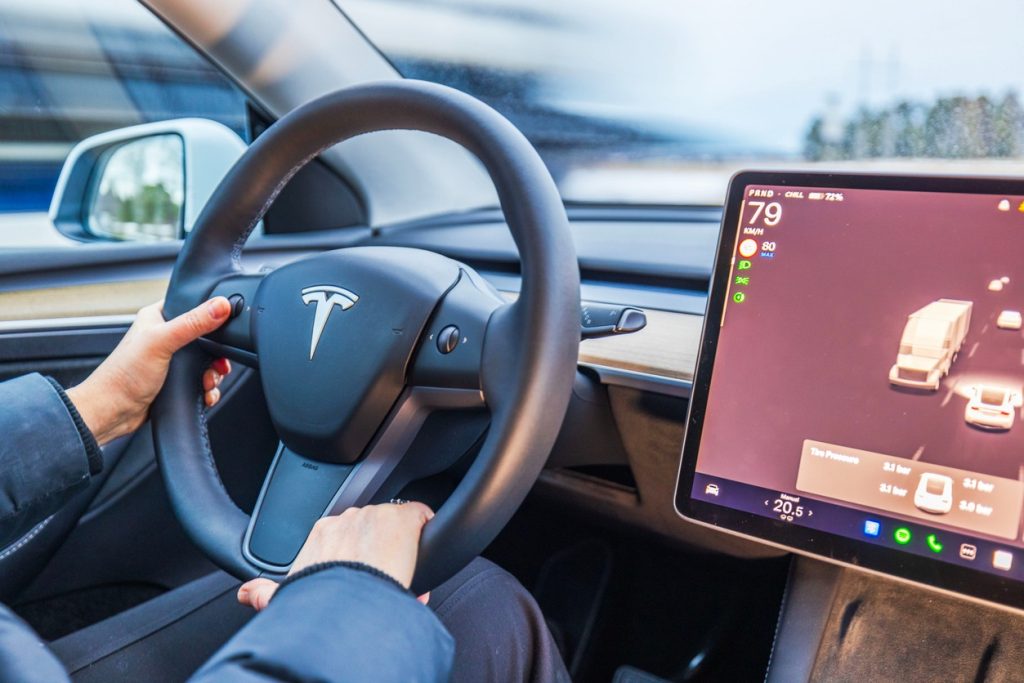
Tesla FSD and Autonomous Rideshare Accidents in Austin: Who Is Legally Responsible?
Austin’s streets are becoming a testing ground for the future of transportation. Tesla’s Full Self-Driving (FSD) technology is increasingly being used by rideshare drivers, creating a new frontier where cutting-edge automotive innovation meets everyday commuting. But when accidents occur with these semi-autonomous vehicles, the question of legal responsibility becomes significantly more complex than traditional car crashes. For Austin residents who rely on rideshare services or share the road with these vehicles, understanding the liability landscape is increasingly important.
The Rise of Autonomous Technology in Rideshare Fleets
Rideshare drivers have been early adopters of Tesla vehicles, attracted by their low operating costs and advanced driver assistance features. Tesla’s FSD system represents the latest evolution in autonomous driving technology, offering features like automatic lane changes, navigation on city streets, and traffic light recognition. According to the National Highway Traffic Safety Administration, vehicles equipped with advanced driver assistance systems and automated driving features are now required to report crashes, reflecting growing federal oversight of this emerging technology.
The appeal for rideshare drivers is clear: FSD can reduce driver fatigue during long shifts and potentially improve fuel efficiency through optimized driving patterns. However, Tesla explicitly states that FSD requires active driver supervision and does not make the vehicle autonomous. This distinction becomes crucial when accidents occur, as it directly impacts who bears legal responsibility for the crash.
Who Bears Responsibility When Technology Fails?
The liability question in autonomous rideshare accidents involves multiple potential parties. First, there’s the rideshare driver, who maintains ultimate control and responsibility for the vehicle’s operation. Even with FSD engaged, drivers are required to remain attentive and ready to take control at any moment. When accidents occur due to driver inattention while using FSD, the driver typically bears primary responsibility.
Second, the rideshare company itself may face liability depending on the circumstances. Companies like Uber and Lyft maintain insurance policies that cover accidents occurring during active rides, but policy coverage can vary based on whether the driver was at fault and whether they were using approved vehicle technologies.
Third, vehicle manufacturers like Tesla could potentially be held liable if a defect in the FSD system directly caused the accident. Recent NHTSA investigations have examined Tesla’s FSD performance in reduced visibility conditions and situations where the system may fail to adequately detect hazards. These investigations underscore that autonomous vehicle technology, while advanced, is not infallible.
Finally, other drivers or parties may share responsibility if their actions contributed to the crash. Research from the Centers for Disease Control and Prevention indicates that rideshare vehicles are involved in crashes at rates that correlate with their increased road presence, highlighting that these accidents often involve complex multi-party scenarios.
Texas Law and Autonomous Vehicle Liability
Texas has taken a relatively hands-off approach to autonomous vehicle regulation, allowing testing and deployment without requiring special permits. This regulatory environment has made Austin an attractive market for companies developing self-driving technology, but it also means that liability questions are often resolved through existing traffic and personal injury law rather than autonomous vehicle-specific statutes.
Under Texas law, liability in vehicle accidents is typically determined by negligence. When FSD is involved, courts must evaluate whether the driver maintained proper attention and control, whether the technology functioned as designed, and whether other parties contributed to the crash. This analysis can become highly technical, often requiring expert testimony about the vehicle’s systems and data logs.
For those injured in rideshare accidents involving autonomous features, navigating the legal process requires understanding both traditional accident liability principles and emerging issues specific to semi-autonomous vehicles. Local accident attorneys who handle these cases must analyze vehicle data logs, understand the capabilities and limitations of FSD technology, and determine which parties bear responsibility for the crash.
Moving Forward: The Future of Autonomous Rideshare in Austin
As Tesla and other manufacturers continue advancing autonomous driving technology, Austin will likely see increased adoption of these systems in rideshare fleets. The technology holds genuine promise for reducing certain types of accidents caused by human error, distraction, or fatigue. However, the current generation of systems still requires active human supervision, making the driver-technology relationship a critical factor in safety.
For Austin’s automotive community, understanding these technologies is valuable whether you’re considering purchasing a Tesla, working as a rideshare driver, or simply sharing the road with these vehicles. As the technology evolves and regulations adapt, the legal framework surrounding autonomous vehicle accidents will continue to develop. Until fully autonomous vehicles become a reality, the responsibility for safe operation remains firmly with human drivers, even when sophisticated technology is lending a hand.


