If You Are Involved in a Crash, One of the Immediate Requirements Is To:
If you are involved in a crash, one of the immediate requirements is to render aid to the injured. This means stopping your vehicle immediately, checking on all drivers and passengers for injuries, and calling 911 for emergency services. You must not leave the scene of the crash until law enforcement releases you.
This requirement appears on both the 2026 New Jersey DMV exam and the Georgia Practice Test as a permit test question. The correct answer on these tests is “render aid to the injured,” not notifying your insurance agent or the Secretary of State’s Office. Do not assume a person is uninjured simply because that person says so—send for professional help as soon as possible.
Beyond the test answer, there are 7 immediate crash requirements every driver must follow: stop the vehicle and check for injuries, move to safety, call law enforcement, exchange driver and insurance information, document the crash scene with photos, seek medical attention within 14 days, and report to your insurance company. This guide covers each step in detail, including post-crash legal obligations, reporting deadlines in Florida and Georgia, mistakes to avoid, and when to contact a car accident attorney.
Immediate Steps at the Scene
Stop Your Vehicle, Check for Injuries, and Call 911
The moment a collision occurs, stop your vehicle at the scene or as close to the scene as safely possible. Leaving the scene of a crash is a criminal offense in every state, including Florida, Georgia, and New Jersey. Penalties range from misdemeanor charges for property damage to felony charges when injuries are involved.
Once stopped, assess whether anyone needs emergency medical attention. Check yourself first, then check on your passengers and occupants of other vehicles.
Call 911 immediately when:
- Anyone appears injured, even when injuries seem minor
- Anyone is unconscious, unresponsive, or complains of pain
- There is significant vehicle damage suggesting a high-impact collision
- Fluids are leaking from any vehicle or anyone is trapped
When speaking with the 911 dispatcher, provide your exact street address and city, the number of vehicles involved, and a description of visible injuries. Stay on the line and follow dispatcher instructions until emergency responders arrive.
Many car accident injuries do not present immediate symptoms. Conditions such as whiplash, concussions, herniated discs, and internal bleeding can take hours or days to become apparent. The National Highway Traffic Safety Administration (NHTSA) reports that adrenaline following a crash masks pain signals, which is why car crashes in the United States result in high costs across medical expenses, lost wages, and property damage.
Move Vehicles Out of Traffic and Secure the Scene
Move your vehicle out of travel lanes when the crash is minor and all vehicles remain drivable. This prevents additional collisions and reduces traffic congestion.
Move your vehicle when:
- No one appears seriously injured
- Vehicles are operational
- Moving would not cause additional injury
- The road is safe to exit your vehicle
Do NOT move your vehicle when:
- Someone is seriously injured or trapped
- Moving the vehicle could cause further injury
- Your vehicle is inoperable
- Emergency services have instructed you to stay put
Activate hazard lights immediately to alert approaching traffic. Place road flares or emergency triangles behind your vehicle to warn other drivers. Check for fuel leaks, smoke, or sparks before remaining near the vehicle. Scan for fluid puddles underneath the vehicle. Note road surface conditions, including wet pavement, gravel, or potholes.
When exiting your vehicle on a busy road, exit away from traffic and move to a sidewalk, median, or grassy area. Understanding where most car crashes occur in the USA helps drivers recognize that intersections and highways present the greatest risk for secondary collisions during crash scene stops.
Call Law Enforcement to Report the Accident
In Florida, Georgia, and New Jersey, drivers must report any car accident that results in injury, death, or property damage exceeding $500 to law enforcement. Given that even minor bumper repairs exceed this threshold in 2026, call police for any crash.
A police report serves 6 functions:
- Creates an official record of the accident
- Documents the responding officer’s observations
- May include a preliminary determination of fault
- Provides documentation for insurance claims
- Establishes a timeline of events
- Serves as evidence in legal proceedings
When the officer arrives, provide factual information about what happened. Stick to facts you observed. Do not speculate about fault, speeds, or details you are uncertain about. Do not admit fault or apologize for the accident, as these statements can be used against you in an insurance claim or settlement negotiation.
Request a copy of the accident report or ask the officer how to obtain one. In Florida, obtain a copy from the local law enforcement agency that responded or through the Florida Department of Highway Safety and Motor Vehicles.
Documentation and Information Exchange
Exchange Driver and Insurance Information
Florida law and Georgia law require drivers involved in a crash to exchange specific information with each other. Use your smartphone to photograph the other driver’s license, registration, and insurance card rather than writing down numbers manually. Verify the photo is in focus before walking away.
Other Driver’s Vehicle
Collect these 3 details about the other driver’s vehicle:
- Make, Model, and Year
- License Plate number and state issued
- Vehicle color and any distinguishing features
Other Driver’s License Info
Record these 3 details from the other driver’s license:
- Driver’s License ID number
- State that issued the license
- Full legal name and current address
Other Driver’s Insurance Info
Obtain these 2 details from the other driver’s insurance card:
- Insurance company name and policy number
- Policy expiration date
Additional Questions
Ask the other driver directly for:
- Contact telephone number
- Email address
- Estimated speed at the time of collision
- Brief description of what happened from their perspective
When the other driver is uncooperative or hostile, do not engage in arguments. Take photos of their license plate and vehicle, note observable details, and report the situation to the responding officer. Let your insurance company and attorney handle further investigation.
Understanding what happens if someone else crashes your car matters here because the vehicle owner’s insurance may apply rather than the driver’s policy, depending on state law.
Document the Scene, Damage, and Witness Details
Thorough documentation at the crash scene protects your insurance claim and legal rights. Evidence disappears as vehicles are towed, weather changes, and memories fade.
Photograph from multiple angles:
- All vehicles involved, including your own
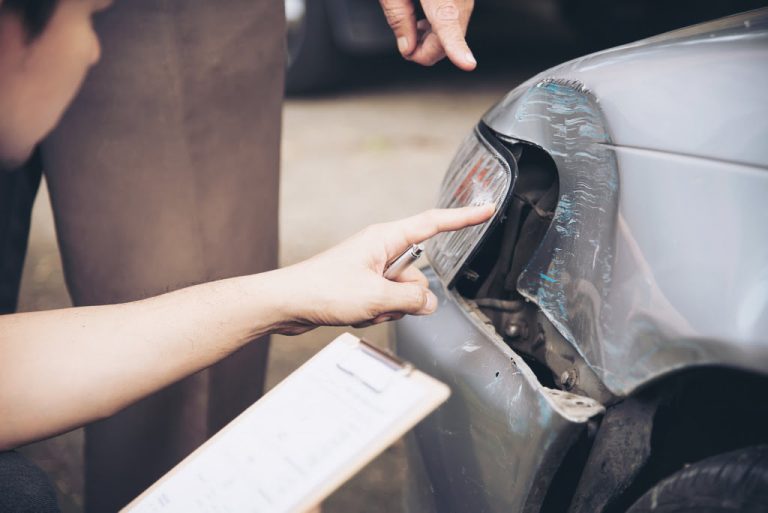
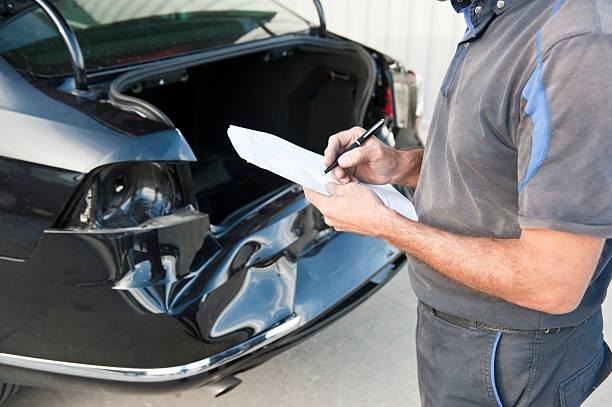
- Close-ups of all damage to every vehicle
- Skid marks, debris, and road conditions
- Traffic signals, signs, and road markings
- Weather and lighting conditions at the time
- Your visible injuries
- The overall accident scene showing vehicle positions
Record notes about:
- Exact date and time of the crash
- Weather, lighting, and road surface conditions
- Traffic conditions and approximate speeds
- What you were doing immediately before the collision
- What you observed the other driver doing
- Direction each vehicle was traveling
- Any statements made by the other driver
Gather witness contact details:
Independent witnesses provide third-party accounts of how a crash occurred. Their testimony carries significant weight with insurance companies and in court proceedings.
- Ask witnesses for full names, phone numbers, and email addresses
- Ask if witnesses would provide a written statement
- Note their general location when they observed the collision
- Ask about dash cam availability from witnesses who were driving nearby
Record dash cam footage from your own vehicle immediately. Date-stamped photos and video create the strongest evidence for proving fault.
Additional Items We Suggest You Photograph
Photograph these 6 additional items at the crash scene:
- Property damage to guardrails, poles, or fences
- Airbag deployment status in all vehicles
- Police report number written on a card
- All visible injuries on all parties
- Traffic signals and signs near the scene
- Skid marks showing vehicle paths before impact
When you later review vehicle reliability data—such as knowing the Honda CR-V years to avoid or Ford Explorer years to avoid—you may discover that certain model years have higher crash-related defect rates involving airbag failures or brake malfunctions that contribute to collision severity.
Post-Accident Requirements
Seek Medical Attention Within 14 Days
This requirement affects both health outcomes and legal rights in Florida.
From a health perspective: Conditions such as whiplash, traumatic brain injuries, herniated discs, and internal bleeding take hours or days to produce symptoms. Prompt medical evaluation identifies these injuries before they worsen. Look for whiplash symptoms including neck stiffness, headaches, dizziness, and shoulder pain in the 72 hours following a crash.
From a legal perspective: Florida law requires initial medical treatment within 14 days of an accident to qualify for Personal Injury Protection (PIP) benefits under your auto insurance policy. Miss this window and you may lose PIP coverage entirely.
4 places to seek medical attention:
- Emergency room for severe or potentially serious injuries
- Urgent care for non-emergency evaluation
- Primary care physician for follow-up
- Specialist if referred by another provider
Be completely honest with medical providers about all symptoms, even ones that seem minor. Tell providers the symptoms began after your car accident. Medical records create the link between the accident and your injuries that insurance companies and courts require.
Keep copies of emergency room records, imaging scans, doctors’ summaries, medications prescribed, and receipts for all out-of-pocket medical expenses. Maintain a diary of medical treatment, appointments, and how injuries affect daily activities. The Insurance Institute for Highway Safety (IIHS) data shows that documented medical records increase settlement values by substantial margins compared to undocumented claims.
Report to Insurance and Contact a Florida Car Accident Attorney
Reporting to Your Insurance Company
Florida is a no-fault insurance state, meaning your own insurance company’s PIP coverage pays for initial medical expenses and lost wages regardless of who caused the crash.
When contacting your insurance company, follow these 5 rules:
- Report the accident promptly—most policies require notification within 24-72 hours
- Provide basic facts about what occurred: date, time, location, and parties involved
- Do not provide a recorded statement until you have spoken with an attorney
- Do not speculate about fault or accept blame
- Do not accept any settlement offers immediately
Your insurance company is not your advocate. Their goal is to minimize payouts. Anything you tell an adjuster can potentially reduce your claim value.
Do not speak with the other driver’s insurance company without consulting an attorney first. Their adjusters are trained to get statements that protect their insured and minimize payouts. This applies whether you were driving your own car, a rental, or a company vehicle. Drivers who wonder what happens if you crash a rental car or can you get fired for crashing a company car face additional insurance complications that require attorney guidance.
Contacting a Florida Car Accident Attorney
Consulting an experienced car accident attorney is one of the smartest post-crash decisions, particularly when injuries are involved.
An attorney helps with these 8 tasks:
- Explaining legal rights under Florida, Georgia, or New Jersey law
- Navigating no-fault insurance systems
- Communicating with insurance companies on your behalf
- Investigating the accident and gathering evidence
- Identifying all potentially liable parties
- Calculating the full value of a claim including future damages
- Negotiating a fair settlement
- Filing a lawsuit and meeting legal deadlines
Most Florida car accident attorneys offer free initial consultations and work on a contingency fee basis, meaning you pay nothing unless they recover compensation.
Legal and Reporting Obligations
Reporting a Car Accident to the Police
Every state requires crash reporting when injuries, death, or property damage above a threshold amount occurs. In Georgia, this threshold is $500 in property damage. In Florida, the same $500 threshold applies. In New Jersey, any crash involving injury or property damage must be reported.
Contact local police or dial 911 at the crash scene. A responding officer completes a crash report that documents:
- Names and license numbers of all drivers
- Insurance information for all parties
- Vehicle descriptions including make, model, year, and license plate numbers
- Weather and road conditions
- Diagram of vehicle positions
- Officer’s preliminary assessment of contributing factors
Request a digital police report copy for your records. Many departments make reports available online within 5-10 business days.
Reporting a Car Accident in Florida: Legal Requirements & Deadlines
Florida has 3 reporting deadlines drivers must know:
- Immediate: Report to law enforcement at the scene when injuries, death, or $500+ damage occurs
- Within 14 days: Seek medical treatment to preserve PIP insurance benefits
- Within 4 years: File a personal injury lawsuit (Florida’s statute of limitations for negligence claims as of 2026)
Drivers involved in a hit-and-run crash must report to the nearest law enforcement agency without delay. Florida Statutes 316.027 imposes felony penalties for leaving the scene of a crash involving injuries.
The situation becomes more complex when an unlicensed driver crashes your car, as insurance coverage disputes and liability questions multiply. A Drunk Driving Wrongful Death Lawsuit follows different procedural rules and shorter deadlines in some jurisdictions.
How to Report a Car Accident to Insurance
Report to your insurance company within 24-72 hours of the crash. Most insurance policies contain a “prompt notification” clause that allows claim denial for late reporting.
5 steps for reporting to insurance:
- Call your insurance company’s claims hotline or use their mobile app
- Provide the date, time, and location of the crash
- Give the other driver’s name, insurance company, and policy number
- Describe the crash factually without admitting fault
- Provide the police report number
Stick to the facts and tell the truth. Lying about any detail of the crash results in claim denial and potential policy cancellation. However, “sticking to facts” means not volunteering opinions about fault or speculating about what the other driver was doing. The distinction between facts and speculation matters for claim outcomes.
Drivers with leased vehicles face unique reporting obligations. Car lease agreements come with stipulations about penalty payments for damage, and crashing a leased car triggers gap insurance and early termination clauses that require prompt insurer notification.
Mistakes to Avoid After a Car Accident
There are 7 mistakes that damage or destroy car accident claims:
- Leaving the scene. This is a crime in Florida, Georgia, and New Jersey, even when the crash seems minor. Remain at the crash location until law enforcement releases you.
- Admitting fault or apologizing. Statements such as “I’m sorry” or “I didn’t see you” function as admissions of guilt. Stick to factual statements only. Ask if everyone is okay without accepting blame.
- Refusing medical treatment. Accept medical evaluation from emergency responders, even when you feel fine. Hidden injuries worsen without treatment, and refusing care undermines future claims.
- Posting about the accident on social media. Insurance companies routinely monitor claimants’ social media accounts in 2026. A single post, photo, or check-in can contradict injury claims and reduce settlement values.
- Giving a recorded statement to any insurance company without attorney advice. Insurance adjusters are trained to minimize claims using your own recorded words against you.
- Signing documents from an insurance company without attorney review. Documents may contain releases that waive your right to additional compensation for injuries discovered later.
- Accepting a quick settlement. The full extent of injuries may not be apparent for weeks or months. Early settlements rarely reflect true damages. High-profile crash cases like the Brittany Johns car incident and the Trey Gowdy car accident demonstrate how premature case resolution leads to undercompensation.
Take a break from social media accounts after a crash. Inform friends and family through one family member rather than broadcasting details publicly. Do not discuss the accident with anyone other than police, your insurance company, and your attorney.
When to Contact a Lawyer After a Car Accident
Contact a car accident attorney within 1-3 days of the crash. Earlier consultation produces better outcomes because evidence preservation and witness identification happen in the first 72 hours.
Contact an attorney immediately when:
- You or a passenger suffered any injuries
- The other driver was uninsured or underinsured
- Liability is disputed or unclear
- The insurance company denies your claim or pressures quick settlement acceptance
- The crash involved a commercial vehicle, delivery truck, or government entity
- The other driver fled the scene (hit and run)
- Multiple vehicles were involved in a pileup
- The crash resulted in a fatality
Drivers who lease vehicles through programs offering car leases under $200 a month with no money down often carry minimum insurance coverage that becomes insufficient for serious crash claims. An attorney identifies all available coverage sources.
Legal Recourse: Consulting an Attorney
A Florida Vehicle Accident Lawyer Can Help You Get the Compensation You Deserve
A qualified Florida car accident attorney handles every aspect of your claim from initial investigation through settlement or trial. The compensation you may recover includes 5 categories:
- Medical expenses: Emergency treatment, surgery, rehabilitation, medications, imaging scans, and future medical care
- Lost wages: Income lost during recovery and reduced future earning capacity
- Property damage: Vehicle repair or replacement, personal belongings damaged in the crash
- Pain and suffering: Physical pain, emotional distress, and reduced quality of life
- Punitive damages: Available in cases involving gross negligence, drunk driving, or intentional misconduct
Florida’s no-fault system limits when you can file a lawsuit against the at-fault driver. You must demonstrate that injuries meet the “serious injury” threshold, which includes significant scarring, permanent injury, or significant limitation of a body function.
An attorney evaluates whether your injuries meet this threshold and pursues maximum compensation through negotiation or litigation. Attorney representation increases average settlement values because insurance companies recognize that represented claimants will proceed to trial rather than accept lowball offers.
Additional Resources
Related FAQs
What is the correct answer to “if you are involved in a crash, one of the immediate requirements is to” on the permit test?
The correct answer is: render aid to the injured. This question appears on the 2026 New Jersey DMV exam and the Georgia Practice Test 21. The other answer options (notify your insurance agent, notify the Secretary of State’s Office) are not immediate requirements—they are post-crash obligations that occur after scene safety is established.
Does this question appear on the Georgia permit test?
Yes. This question appears on Georgia Practice Test 21 under the “Collision Prevention and Response” category. Georgia requires drivers involved in a crash to stop immediately, remain at the scene, notify law enforcement when anyone is injured or killed, and render aid to any injured person. Georgia drivers must also activate hazard lights and use reflective triangles to warn approaching traffic.
Do I need to notify the Secretary of State after a crash?
Notification to the Secretary of State or DMV depends on state law and crash severity. In most states, law enforcement handles official reporting. Drivers typically must file a DMV report only when the crash involves injury, death, or property damage exceeding state thresholds (commonly $1,000-$2,500 depending on the state). This is not an immediate scene requirement.
What if the other driver leaves the scene?
Document the fleeing vehicle’s license plate number, make, model, year, and color. Note the direction of travel. Call 911 immediately and report a hit-and-run. File a police report and contact your insurance company’s uninsured motorist coverage. An attorney helps pursue claims against hit-and-run drivers when they are identified.
How do I choose a safe used vehicle to reduce crash severity?
Vehicle safety ratings from NHTSA and IIHS vary significantly by model year. Research reliability and safety data before purchasing. Some model years have known defect patterns—for example, drivers researching SUVs should review the Jeep Grand Cherokee years to avoid, Toyota RAV4 years to avoid, and Honda Pilot years to avoid. Sedan buyers benefit from checking the Honda Civic years to avoid and Toyota Camry years to avoid. Truck buyers should review the Ford F-150 years to avoid and Chevy Silverado best and worst years before purchasing.