Can You Get Fired for Crashing Company Car

Yes, you can get fired for crashing a company car in most cases. Under at-will employment—which governs most jobs in the United States—your employer can terminate you for any legal reason, including a vehicle accident. However, whether termination actually happens depends on 5 key factors: the severity of the accident, whether negligence or policy violations were involved, your prior driving record, your company’s vehicle accident policies, and whether legal protections like employment contracts or union agreements apply to your situation.
Understanding the consequences of crashing a company car involves knowing your rights under employment law, your employer’s liability exposure, insurance coverage for company vehicles, workers’ compensation eligibility, and the disciplinary process your employer must follow. A minor fender-bender during normal work duties rarely results in termination. A DUI crash, reckless driving accident, or repeated incident pattern almost always leads to immediate dismissal.
This article covers the legal framework around termination after a company car accident, employer and employee liability, insurance and claims processes, workers’ compensation rights, disciplinary actions, and the steps to protect yourself after a work-related vehicle crash.
Factoid About Work-Related Driving Accidents
Work-related driving accidents represent a significant portion of workplace fatalities and employer costs in the United States:
| Statistic | USA |
|---|---|
| Percentage of work-related deaths from road accidents | 40% |
| Annual work-related motor vehicle crash fatalities | 2,080 |
| Percentage of companies reporting recent crashes in company vehicles | 68% |
| Annual cost of work-related crashes | $25 billion |
These numbers show that work-related crashes are common. 68% of companies report recent crashes in company vehicles, meaning your employer has likely dealt with this situation before and has established policies for handling it. The high costs that result from car crashes affect employers through insurance premium increases, vehicle repair or replacement expenses, worker downtime, and potential legal liability.
At-Will Employment and Its Implications
At-will employment governs most employment relationships in the United States and directly determines whether your employer can fire you after a company car crash.
Common Reasons for Termination Under At-Will Employment
Employers terminate employees for a range of reasons under the at-will doctrine, including poor performance, misconduct, policy violations, and redundancy. Termination following a company car crash hinges on the nature of the accident:
- Negligence-based accidents – Texting while driving, running red lights, or speeding constitute negligent behavior that justifies termination
- Policy violations – Using the vehicle for personal errands without authorization, carrying unauthorized passengers, or driving outside approved routes
- Criminal conduct – DUI, reckless driving, or leaving the scene of an accident
- Repeated incidents – A pattern of minor accidents indicating carelessness
- Unavoidable accidents – Weather-related incidents or accidents caused by other drivers rarely justify termination alone
The distinction between a simple mistake and negligent behavior is the primary factor employers evaluate when deciding whether to terminate or apply lesser disciplinary action.
How At-Will Employment Affects Termination Policies
The at-will doctrine gives employers significant flexibility in managing termination decisions after company car crashes. This flexibility means the specifics of your accident can be interpreted in different ways depending on company policy, past precedent, and the employer’s risk tolerance.
Companies view certain accidents as a breach of trust or a liability risk, leading to termination—particularly when the accident involves significant negligence or legal violations. However, at-will employment has 3 exceptions that can protect employees:
- Employment contracts – Written agreements specifying termination only “for cause” restrict the employer’s ability to fire you for a single accident
- Union protections – Collective bargaining agreements typically require progressive discipline (warning, suspension, then termination) rather than immediate firing
- Anti-discrimination laws – Federal and state laws prohibit termination based on race, religion, disability, age, sex, or retaliation for filing workers’ compensation claims
Termination after a company car crash is illegal when the firing is actually motivated by discrimination or retaliation—even if the employer claims the accident was the reason. Consult an employment attorney when you suspect the stated reason does not match the real motivation.
Legal Considerations After a Company Car Accident
Legal considerations after a company car accident affect both your employment status and your personal liability exposure. The legal consequences depend on negligence, employer liability, your employee rights, and any traffic violations involved.
Definition of Negligence and Its Relevance
Negligence in driving refers to failing to exercise the care that a reasonably prudent person would under similar circumstances. Negligence provides valid grounds for termination because it demonstrates an inability to perform job duties responsibly.
Examples of negligent driving that justify termination:
- Texting while driving a company vehicle
- Running red lights or stop signs
- Driving while fatigued beyond safe limits
- Failing to check mirrors before lane changes
- Speeding significantly above posted limits
- Ignoring known vehicle maintenance issues
An accident without negligence—such as being rear-ended at a stoplight, hitting black ice, or swerving to avoid a pedestrian—does not demonstrate the same failure of judgment. Employers who terminate employees after non-negligent accidents face potential wrongful termination claims, particularly when contracts or union agreements exist.
Employer Liability Under Vicarious Liability Laws
Under vicarious liability (also called respondeat superior), an employer is held legally responsible for accidents caused by employees acting within the scope of employment. This doctrine affects termination decisions in 2 ways:
- Incentive to terminate – Employers may fire accident-prone employees to reduce future vicarious liability exposure
- Disincentive to terminate – Firing an employee for filing a workers’ compensation claim after a work accident is illegal retaliation in all 50 states
Vicarious liability applies when the employee was performing job-related duties at the time of the accident—including driving to client meetings, making deliveries, running work errands, and commuting between job sites during the workday. Commuting to and from home is generally not covered under vicarious liability.
In Florida, the dangerous instrumentality doctrine makes employers strictly liable for accidents involving company-owned vehicles operated by authorized employees—regardless of whether the employer was negligent in supervising the driver.
Employee Rights After a Workplace Accident
Employees have specific rights after being involved in a workplace accident:
- Workers’ compensation – File for benefits covering medical treatment and lost wages if injured during work-related driving
- Protection from retaliation – Employers cannot legally fire you for filing a workers’ compensation claim
- Medical treatment – Right to receive necessary medical care for injuries sustained in the accident
- OSHA protections – Occupational Safety and Health Administration (OSHA) regulations require employers to maintain safe work conditions, including vehicle safety standards
- Documentation access – Right to obtain copies of the accident report, company investigation findings, and disciplinary documentation
These rights provide a safety net for injured employees but do not protect against termination when the accident resulted from serious negligence or policy violations. An employee who crashes a company car while intoxicated retains workers’ compensation rights for injuries but faces valid grounds for termination based on the policy violation.
Impact of Traffic Violations on Employment
Traffic violations during a company car accident directly affect employment outcomes:
| Violation Severity | Typical Employment Consequence |
|---|---|
| Minor violation (5 mph over limit, improper lane change) | Written warning or no action |
| Moderate violation (significant speeding, failure to yield) | Written warning, mandatory safety training |
| Serious violation (reckless driving, street racing) | Suspension pending investigation, likely termination |
| Criminal violation (DUI, hit-and-run, vehicular assault) | Immediate termination, potential criminal charges |
DUI charges while operating a company vehicle represent a zero-tolerance termination ground for most employers. The criminal charge alone—regardless of the accident’s severity—demonstrates a fundamental failure of judgment that employers treat as gross misconduct.
Companies with fleet management programs often conduct periodic driving record checks. Pre-existing violations on your record combined with a company car accident create a stronger case for termination than a single incident with a clean prior history.
Company Policies on Vehicle Accidents
Company vehicle policies define expectations, reporting procedures, and consequences for accidents involving fleet vehicles. These policies are typically part of your employee handbook or a separate vehicle usage agreement signed upon receiving a company car.
Importance of Understanding Company Policies
Company policies serve as the guideline your employer uses to determine your post-accident consequences. Knowing your company’s vehicle policies before an accident helps you respond appropriately and comply with all requirements—which can be the difference between keeping and losing your job.
Review these documents before any incident occurs:
- Employee handbook section on company vehicles
- Separate vehicle usage agreement (if signed)
- Fleet management policy
- Drug and alcohol testing policy
- Accident reporting procedures
- Progressive discipline policy
Employers who terminate employees for vehicle accidents reference specific policy provisions in the termination documentation. An employee who follows all required procedures after an accident has stronger protections against unjust termination than one who fails to report or cooperate.
Examples of Typical Policies Regarding Company Vehicles
Most companies providing vehicles to employees include these policy provisions:
- Mandatory reporting – Report any accident within 24 hours regardless of severity (many require immediate reporting)
- No personal use – Vehicle restricted to business purposes only (some companies allow limited personal use)
- Authorized drivers only – Only the assigned employee may operate the vehicle (no unauthorized passengers driving)
- Maintenance requirements – Driver responsible for routine maintenance checks and reporting mechanical issues
- Insurance cooperation – Full cooperation with insurance providers during claims investigation
- Post-accident drug testing – Mandatory drug and alcohol testing within hours of any accident
- Seatbelt requirement – Seatbelts worn at all times while operating or riding in company vehicles
- Phone use prohibition – No handheld phone use while driving; some prohibit all phone use including hands-free
Failing to follow these policies—even when the accident itself was not your fault—gives employers additional grounds for disciplinary action or termination.
Consequences Outlined in Company Manuals for Accidents
Consequences for company car accidents follow a progressive discipline structure in most organizations:
First minor incident (no negligence, no injuries):
- Verbal or written warning
- Accident documented in employee file
- No change in vehicle privileges
First moderate incident (partial negligence, minor damage):
- Written warning
- Mandatory defensive driving training
- Increased monitoring for 6–12 months
- Possible insurance deductible recovery from employee
First serious incident (gross negligence, significant damage, or injuries):
- Suspension pending investigation
- Possible termination depending on investigation findings
- Removal of company vehicle privileges
- Potential financial responsibility for deductible or excess damages
Repeat incidents or criminal conduct:
- Immediate termination
- Potential civil liability for damages
- Criminal prosecution for illegal behavior (DUI, reckless driving)
The repeat incident termination clause exists in most company policies. Even minor accidents, when occurring multiple times within a defined period (typically 12–36 months), trigger termination under fleet policy violation consequences.
Procedures to Follow After an Accident
Follow these steps immediately after a company car accident to comply with policies and protect your position:
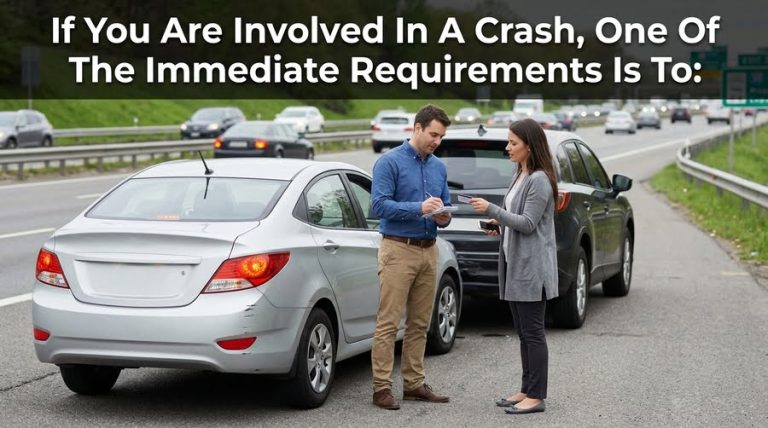
- Ensure safety of all involved – Move to safe location, check for injuries, call 911 if anyone is hurt
- Contact law enforcement – File a police report regardless of accident severity
- Notify your employer – Call your supervisor or fleet manager per company guidelines (usually within 1–4 hours)
- Document the scene – Photos of damage, road conditions, other vehicles, and surrounding area
- Exchange information – Obtain other driver’s insurance, license, and contact details
- Cooperate with investigation – Provide honest statements to employer, insurance, and police
- Submit to drug/alcohol testing – Report for post-accident testing within required timeframe (typically 2–8 hours)
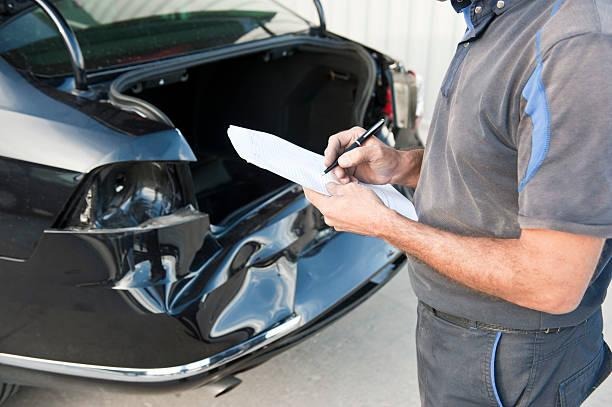
- Complete required paperwork – Accident report forms, incident statements, and insurance claim documents
Failure to report immediately is one of the most common reasons employers cite for termination after company car accidents—even when the accident itself would not have justified firing. A $500 fender-bender reported within the hour results in a warning. The same $500 fender-bender discovered 3 weeks later results in termination for failure to report and breach of trust.
Disciplinary Actions and Their Grounds
Disciplinary actions after company car accidents range from verbal warnings to immediate termination. The specific action depends on the circumstances of the accident, your employment history, and your company’s disciplinary framework.
Common Disciplinary Actions for Vehicle Accidents
There are 6 levels of disciplinary action companies apply after vehicle accidents:
- Verbal warning – Documented conversation about the incident; no written record in personnel file
- Written warning – Formal documentation placed in employee file; typically remains for 12 months
- Mandatory safety training – Defensive driving course or fleet safety program completion required
- Probationary period – Increased monitoring, driving restrictions, or GPS tracking for 3–12 months
- Suspension without pay – Temporary removal from work pending investigation (typically 3–10 business days)
- Termination – Permanent separation from employment
Most employers apply progressive discipline—starting with warnings and escalating with repeated offenses or severity. Immediate termination without progressive steps occurs only for gross misconduct, including DUI, hit-and-run, vehicular assault, or intentional damage.
Criteria for Determining the Severity of Disciplinary Actions
Employers evaluate 5 criteria when determining which disciplinary action to apply:
- Employee’s past driving record – Clean history favors lighter discipline; prior incidents favor harsher action
- Presence of traffic law violations – Violations at the time of the crash increase disciplinary severity
- Damage severity and cost – Minor cosmetic damage versus totaled vehicle or third-party injuries
- Impact on company operations – Missed deliveries, client relationship damage, or regulatory consequences
- Compliance with post-accident procedures – Following reporting requirements and cooperating with investigation
A single accident with a clean prior record, no violations, and proper reporting rarely results in termination for most employers. The probability of being in a car crash during any given year of driving is significant—employers with fleet vehicles recognize this reality and generally reserve termination for cases involving clear negligence or policy violations.
Insurance Coverage and Claims Process
Insurance for company vehicles operates differently from personal auto insurance. Understanding the coverage structure and your responsibilities in the claims process protects both your financial interests and your employment.
Role of Insurance in Company Vehicle Accidents
Company vehicle insurance policies typically include:
- Commercial auto liability – Covers injuries and property damage the employee causes to third parties
- Collision coverage – Covers damage to the company vehicle itself regardless of fault
- Comprehensive coverage – Covers non-collision damage (theft, weather, vandalism)
- Uninsured/underinsured motorist – Covers damages when the other driver lacks adequate insurance
- Hired and non-owned auto – Covers employees using personal vehicles for company business
These commercial policies carry higher limits than personal auto insurance—typically $1 million or more in liability coverage. The insurance deductible for commercial fleet policies ranges from $1,000 to $10,000 per incident.
Some employers require employees to reimburse the insurance deductible after at-fault accidents. This employer insurance deductible recovery practice is legal in most states but may be limited by wage deduction laws. Check your state’s labor laws and your company’s vehicle policy for deductible reimbursement terms.
Employee Responsibilities in Filing a Claim
Employees bear these responsibilities in the insurance claims process:
- Report the accident to your employer immediately – Delays in reporting can invalidate insurance coverage
- Provide a detailed written account – Include time, location, road conditions, what happened, and contact information for witnesses
- Cooperate with the insurance adjuster – Answer questions honestly and provide requested documentation
- Submit to recorded statements – Insurance companies may require recorded statements from the driver
- Do not admit fault – Provide facts without making fault determinations (let the investigation determine fault)
- Preserve evidence – Do not repair, clean, or move the vehicle until the adjuster inspects it
Your full cooperation with the insurance process helps both your employer’s claim and your employment standing. Non-cooperation is frequently cited as an independent ground for termination separate from the accident itself.
What Is an Accident in a Company Vehicle During Work?
An accident in a company vehicle during work is any collision, rollover, single-vehicle crash, or property damage incident occurring while an employee operates a company-owned or company-leased vehicle in the course of performing job duties.
This definition includes:
- Driving between work locations during the business day
- Making client visits or deliveries
- Running company errands (bank deposits, supply pickups)
- Traveling to conferences or off-site meetings during work hours
- Operating specialized equipment vehicles on job sites
This definition generally excludes:
- Normal commuting between home and the workplace (unless the company car is part of your compensation package with commute permission)
- Personal errands during lunch breaks (unless personal use is authorized)
- Off-duty use (unless the company explicitly permits personal use)
The distinction matters because workers’ compensation typically covers only work-related accidents. A crash during an unauthorized personal errand removes workers’ compensation protections and creates personal liability for the employee—increasing the likelihood of termination. Understanding the difference between work-related and personal use driving is as important as knowing how to protect yourself during any collision.
Who Is Responsible After an Accident?
Responsibility after a company vehicle accident is divided between the employer and the employee based on 3 factors: scope of employment, negligence, and authorization.
Employer responsibility applies when:
- The employee was acting within the scope of employment at the time of the accident
- The employer failed to maintain the vehicle properly
- The employer required unreasonable driving schedules (fatigue-inducing)
- The employer failed to conduct background driving record checks before assigning a vehicle
- The employer did not provide adequate training for specialized vehicles
Employee responsibility applies when:
- The employee was negligent (texting, speeding, impaired driving)
- The employee was using the vehicle outside authorized scope (personal errand, unauthorized trip)
- The employee violated specific company driving policies
- The employee failed to report known vehicle defects before driving
- The employee allowed unauthorized persons to operate the vehicle
Both parties can share responsibility simultaneously. An employer who assigns a vehicle to a driver with multiple DUI convictions on record bears partial responsibility even when the employee’s current negligence caused the accident.
Workers’ Compensation and Vehicle Accidents
Workers’ compensation covers employees injured in company vehicle accidents occurring within the scope of employment. Workers’ compensation benefits include:
- Medical treatment – All necessary medical care for injuries from the accident, with no employee cost-sharing
- Lost wages – Typically 66.67% of average weekly wages during the recovery period
- Permanent disability – Compensation for permanent impairments resulting from the accident
- Vocational rehabilitation – Retraining assistance when injuries prevent returning to the same job
- Death benefits – Payments to dependents when a work-related vehicle accident results in death
Filing a workers’ compensation claim does not prevent your employer from firing you for the accident itself. However, firing an employee in retaliation for filing workers’ compensation is illegal in all 50 states and creates a wrongful termination claim.
The timing of termination matters legally. An employer who fires you the day after you file a workers’ compensation claim faces a presumption of retaliation. An employer who terminates employment weeks later after completing an investigation and documenting policy violations has a stronger legal position.
What If Another Driver Caused the Crash?
You cannot legally be fired solely for being in a company car accident caused by another driver. When another driver caused the crash, the at-fault driver’s insurance covers damages, and you bear no negligence or policy violation responsibility.
Your employer still retains at-will termination power, but terminating an employee for a not-at-fault accident creates significant legal risk:
- The termination may constitute wrongful termination depending on employment agreements
- The employee may have claims under state whistleblower or public policy protections
- Union agreements typically prohibit discipline for not-at-fault incidents
- Unemployment claims following termination for a not-at-fault accident are almost always approved
When another driver is at fault:
- File a police report documenting the other driver’s responsibility
- Report to your employer per company procedures
- Cooperate with your employer’s insurance claim
- File workers’ compensation for any injuries sustained
- Document that the accident was not your fault (police report, witness statements, dash camera footage)
You retain the right to file a personal injury claim against the at-fault driver for injuries beyond what workers’ compensation covers, including pain and suffering damages that workers’ compensation does not provide.
What Are the Employer’s Responsibilities?
Employers have 7 responsibilities regarding company vehicles and employee drivers:
- Vehicle maintenance – Keep fleet vehicles in safe operating condition through regular inspections and repairs
- Driver qualification – Verify valid driver’s licenses and check driving records before assigning vehicles (pre-employment driving record review)
- Training – Provide defensive driving training, vehicle-specific operation training, and safety policy orientation
- OSHA compliance – Meet OSHA regulations for workplace vehicle safety, including seatbelt policies and load security
- Reasonable scheduling – Avoid assigning driving schedules that create fatigue-related accident risk
- Insurance coverage – Maintain adequate commercial auto insurance covering employees during work duties
- Post-accident support – Provide workers’ compensation information, medical referrals, and fair investigation procedures
Employers who fail these responsibilities and an accident results may share liability for the crash. An employee terminated after an accident caused partially by employer negligence (unmaintained brakes, excessive scheduling) has stronger legal claims against the termination than an employee who was purely at fault.
Special Issues for Construction and Engineering Professionals
Construction and engineering professionals face unique company vehicle accident considerations:
- Specialized vehicles – Dump trucks, cranes, excavators, and other heavy equipment require specific training and licensing (Commercial Driver’s License requirements)
- Job site operations – Accidents on construction sites involve OSHA reporting requirements beyond standard vehicle accidents
- Multi-employer sites – Determining which employer is responsible when multiple contractors share a job site creates complex liability questions
- Higher stakes – Construction vehicle accidents frequently involve serious injuries or fatalities due to vehicle size and weight
- Stricter regulations – Department of Transportation (DOT) regulations govern commercial vehicle operation, including hours-of-service limits, drug testing, and medical certification
Construction employees involved in company vehicle accidents face post-accident drug testing within 2 hours for alcohol and 32 hours for controlled substances under DOT regulations. A positive test result constitutes immediate grounds for termination regardless of whether substance use caused the accident.
Government Vehicles and Public Agencies
Government employees operating agency vehicles face different termination standards than private-sector employees:
- Civil service protections – Government employees typically cannot be fired at-will; termination requires documented cause and a due process hearing
- Progressive discipline requirements – Most government agencies mandate progressive discipline (warning → suspension → termination) for vehicle accidents
- Union representation – Government employee unions negotiate specific vehicle accident policies through collective bargaining
- Sovereign immunity – Government agencies carry sovereign immunity that limits third-party liability, reducing the pressure to terminate employees after accidents
- Administrative review – Terminated government employees have the right to administrative appeals and hearings
A government employee who crashes an agency vehicle has stronger termination protections than a private-sector at-will employee in the same situation. The due process requirement means the agency must document the violation, provide notice, and offer a hearing before termination—unlike private employers who can terminate immediately.
Can You Be Fired After a Company Vehicle Accident?
Yes, you can be fired after a company vehicle accident under at-will employment, but termination is not automatic or guaranteed. The outcome depends on these conditions:
Likely termination:
- DUI or drug impairment while driving the company vehicle
- Reckless driving causing serious injuries or fatalities
- Hit-and-run (leaving the scene)
- Repeated accidents within a short timeframe
- Using the company vehicle for unauthorized purposes when the accident occurred
- Failure to report the accident
- Positive post-accident drug test
- Intentional damage to the vehicle
Unlikely termination:
- First-time minor accident with no negligence involved
- Accident caused entirely by another driver
- Weather-related accidents where the employee was driving safely
- Mechanical failure the employee could not have known about
- Single incident with a clean prior driving record and full policy compliance
Gray area (outcome varies by employer):
- Moderate negligence (brief distraction, misjudged distance) resulting in moderate damage
- First-time speeding-related accident without injuries
- Personal errand termination risk when personal use is loosely defined in the policy
- Accident where employee followed procedures but damage was expensive
Consult an employment attorney before accepting termination. Your employer’s stated reason may not hold up legally—particularly when employment contracts, union agreements, or anti-retaliation laws apply to your situation.
Long-Term Consequences of Serious Injuries
Serious injuries from company vehicle accidents create long-term consequences beyond the immediate employment question:
- Extended workers’ compensation claims – Long-term injuries require ongoing medical treatment, physical therapy, and potentially permanent disability payments
- Inability to drive – Brain injuries, spinal cord injuries, or vision loss may permanently prevent driving—eliminating you from positions requiring vehicle operation
- Career change requirement – Permanent physical limitations may require vocational rehabilitation and retraining for a new career path
- Third-party claims – You can sue third parties (other drivers, vehicle manufacturers, road maintenance agencies) for damages beyond workers’ compensation
- Mental health impacts – PTSD, anxiety, and fear of driving after serious crashes require professional treatment
Workers’ compensation covers medical treatment and partial lost wages. Third-party lawsuits can recover full lost wages, pain and suffering, and future earning capacity losses that workers’ compensation does not provide. Both avenues can be pursued simultaneously.
The long-term costs of car crashes extend far beyond vehicle damage. Medical expenses for serious injuries routinely reach $100,000–$1,000,000+, making proper legal representation critical for protecting your financial future.
Steps to Protect Yourself After an Accident
Take these 8 steps to protect your employment and legal rights after a company vehicle accident:
- Follow all post-accident procedures – Report immediately, file police report, submit to drug testing, complete required forms within deadlines
- Document everything – Photograph the scene, save communications with your employer, keep copies of all paperwork you submit
- Do not admit fault prematurely – Provide facts without offering opinions about who caused the accident
- Seek medical attention – Get evaluated for injuries even without obvious symptoms; document all medical visits
- Review your employment agreements – Check your contract, employee handbook, and vehicle policy for relevant protections and procedures
- File workers’ compensation promptly – Meet all deadlines for filing claims (typically 30 days from accident in most states; 14 days in Florida for medical benefits)
- Consult an employment attorney – Before signing any termination paperwork, severance agreements, or admission of fault documents
- Do not resign voluntarily – Resignation eliminates your unemployment insurance eligibility and potential wrongful termination claims
Cooperate fully with every legitimate investigation while protecting your rights. Honesty about what happened strengthens your position—lying or concealing facts creates independent grounds for termination (dishonesty) that are much harder to challenge legally than the accident itself.
How Can The Reyes Firm Help You
A personal injury law firm helps company vehicle accident victims in 4 ways:
- Workers’ compensation claims – Filing, managing, and appealing workers’ compensation benefits for injuries sustained in the accident
- Third-party injury claims – Pursuing the at-fault driver’s insurance or filing lawsuits against negligent third parties
- Wrongful termination claims – Challenging illegal terminations based on retaliation, discrimination, or contract violations
- Insurance disputes – Resolving disputes when insurers deny or undervalue company vehicle accident claims
Most personal injury attorneys offer free consultations and work on contingency fees. The Reyes Firm and similar firms specializing in workplace accidents evaluate your case at no cost and charge no fees unless they recover compensation for you.
Contact a personal injury attorney within days of the accident—not weeks. Evidence disappears, witnesses forget details, and filing deadlines pass quickly. Early legal consultation protects your options even when you are unsure whether you need representation.
Frequently Asked Questions
Does insurance cover damage to the company vehicle itself after a work-related accident?
Yes, the company’s commercial auto insurance policy typically covers damage to the company vehicle through collision coverage. The employer files the claim, and the insurer pays for repairs minus the policy deductible (typically $1,000–$10,000 for commercial fleet policies). Some employers require the at-fault employee to reimburse the deductible amount through payroll deductions, but state wage deduction laws limit this practice in many jurisdictions.
What happens if the employee was partially at fault for the accident?
Partial fault creates shared liability between the employee and the other driver. In comparative fault states, damages are apportioned based on each party’s percentage of fault. Your workers’ compensation claim remains valid regardless of your fault percentage—workers’ compensation is a no-fault system. However, partial fault strengthens your employer’s position for disciplinary action and weakens any wrongful termination claim if you are fired.
Are independent contractors covered if they have an accident in a company vehicle during work?
No, independent contractors are generally not covered by the company’s workers’ compensation insurance. Independent contractors must carry their own auto insurance and may need commercial coverage depending on the vehicle type and use. However, the company may still face vicarious liability for the contractor’s accident when the company controls how, when, and where the contractor drives. Misclassification of employees as independent contractors is a common issue—true employment status depends on the level of control exercised by the company, not just the label in the contract.
How long do you have to file a claim after an accident in a company vehicle during work in Florida?
In Florida, you have 30 days to report a workplace injury for workers’ compensation purposes, and you must seek medical treatment within 14 days to preserve Personal Injury Protection (PIP) benefits. The statute of limitations for a personal injury lawsuit against a third party in Florida is 2 years from the date of the accident. Report the accident to your employer on the same day it occurs—delay in reporting is the most common reason workers’ compensation claims are denied.
Surgery Case Value in Florida: What Your Claim Is Worth
Surgery resulting from a company vehicle accident significantly increases workers’ compensation and third-party claim values. Surgical cases in Florida typically settle for 3–10 times the value of non-surgical cases because surgery demonstrates objective, verifiable injury severity. Common surgeries after vehicle accidents include spinal fusion ($80,000–$150,000+ in medical costs), knee replacement ($40,000–$70,000), and reconstructive facial surgery ($20,000–$100,000+). Total claim values including lost wages and pain and suffering reach $200,000–$1,000,000+ for surgical cases in Florida.
Truck Accident vs. Car Accident in Tampa: Key Differences
Company vehicle accidents involving trucks differ from car accidents in 3 ways: regulatory framework (DOT and Federal Motor Carrier Safety Administration regulations apply), severity of injuries (truck accidents produce 3–5 times more severe injuries due to vehicle weight differences), and insurance coverage (commercial truck policies carry $750,000–$5,000,000 in liability limits versus $25,000–$100,000 for standard auto policies). Tampa’s high commercial vehicle traffic on I-4, I-75, and I-275 makes truck-involved company vehicle accidents common in the region.
Choques de Vehículos de UPS en Tampa: ¿Quién Puede Ser Responsable?
UPS and other delivery companies bear vicarious liability for accidents caused by their drivers during delivery routes. The responsible parties include: UPS as the employer (vicarious liability for employee acting within scope of employment), the individual driver (personal liability for negligent driving), and potentially the vehicle manufacturer (product liability for mechanical defects contributing to the crash). Large delivery companies like UPS carry commercial insurance policies with $5 million+ in coverage, making these claims recoverable even for severe injuries.
HAD A BAD DAY?
A company car crash does not automatically end your career. The majority of first-time, non-negligent company vehicle accidents result in warnings or retraining rather than termination. The locations where most crashes happen include the same roads and intersections company drivers travel daily—employers with fleet vehicles understand that accidents happen even to careful drivers.
What matters most is how you respond:
- Follow every required procedure without delay
- Cooperate fully and honestly with all investigations
- Document everything to protect your legal position
- Know your rights under employment agreements and workers’ compensation laws
- Consult an attorney before signing anything or accepting termination
Your employer’s decision to terminate or retain you depends on your specific circumstances—not a blanket rule. The Trey Gowdy car accident and other high-profile vehicle incidents demonstrate that even public figures face vehicle accident consequences, and the outcome depends on the facts rather than assumptions.
Protect yourself, know your rights, and seek legal guidance when the situation involves serious injuries, wrongful termination concerns, or criminal charges. A company car crash is stressful—but understanding the legal framework gives you the information needed to make the best decisions for your career and financial future.