How Do Witness Statements Influence Car Accident Claims

A car accident can leave behind more than damaged vehicles and medical bills.
It also leaves confusion, stress, and different versions of the same event. Drivers often remember details differently, especially after a sudden collision. That is why witness statements quietly become one of the strongest parts of many accident claims. A person standing nearby may notice details nobody else saw clearly. Their words can support one side, challenge another story, or completely change how insurance companies view the crash.
Many people searching for legal help after a car crash do not realize how much value a neutral witness can bring during a disputed claim.
Why Witnesses Matter More Than Drivers Expect
Two drivers involved in the same collision often describe the accident in completely different ways. One person may blame speeding, while another may insist the traffic signal changed too quickly. Those disagreements are common after stressful crashes.
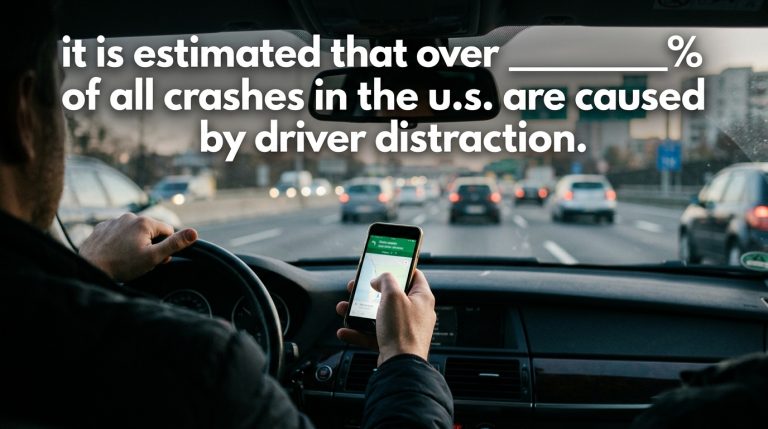
Witnesses help create balance during those situations because they usually have no personal connection to either driver. Insurance companies and investigators often trust outside observations more than emotional arguments between drivers. A witness may notice a distracted driver looking at a phone, a vehicle changing lanes suddenly, or someone ignoring a traffic signal before impact.
That outside perspective sometimes becomes one of the strongest pieces of evidence in a claim.
What Makes a Witness Statement Strong
Not every witness statement carries the same value. Some statements are detailed and reliable, while others feel unclear or inconsistent.
Clear Details Usually Stand Out
A strong witness often remembers important details such as traffic flow, weather conditions, vehicle speed, and driver behavior before the crash. Small observations may later support photographs, police reports, and damage patterns.
Consistency also matters. If a witness gives the same account several times without major changes, investigators usually consider that statement more dependable.
Neutral Witnesses Often Carry More Credibility
People who do not know either driver are often viewed as more trustworthy. Friends or family members may still provide useful information, but insurance companies sometimes question whether personal relationships influence their version of events.
Neutral bystanders usually carry stronger credibility because they have nothing personal to gain from the outcome.
Small Details That Can Shift a Claim
Many car accident cases become complicated because one small detail changes the entire picture. Witnesses often notice things drivers miss during stressful moments.
A witness may describe brake lights failing to activate before impact. Another person may remember hearing tires screech moments before the collision. Road conditions, weather, and traffic behavior can also influence how responsibility is viewed later.
Some important details witnesses may notice include:
- Distracted driving
- Sudden lane changes
- Ignored traffic signs
- Unsafe turns
- Speeding in crowded areas
Those observations may support or challenge accident reports during negotiations.
Why Some Witness Statements Become Less Reliable
Human memory changes faster than many people realize. Stress, confusion, and time gaps can affect how accurately a witness remembers events.
Memory Changes Over Time
A witness may feel completely confident immediately after a crash, but details sometimes become less clear days later. Conversations with other people may also influence memories without the witness realizing it.
That is why early documentation matters so much after collisions.
Missing Contact Information Creates Problems
Some witnesses leave accident scenes before police gather complete contact information. Others become difficult to reach later during investigations. A strong statement loses value if the witness cannot later confirm details officially.
Accident scenes move quickly, so collecting names and phone numbers early often becomes extremely important.
How Insurance Companies Review Witness Accounts
Insurance companies rarely accept witness statements without careful review. Adjusters compare those accounts with photographs, police reports, medical records, and vehicle damage.
If a witness statement conflicts with physical evidence, negotiations may slow down. On the other hand, matching details often strengthens a claim significantly. Video footage from nearby businesses or traffic cameras may also support witness accounts during investigations.
People searching for legal help after a car crash sometimes focus only on medical records and repair bills, but witness statements can quietly influence settlement discussions just as much.
The Difference Between Helpful and Harmful Statements
A witness statement becomes more useful when it focuses on facts instead of guesses or emotional opinions. Saying “the blue car turned suddenly” sounds stronger than “I think the driver looked reckless.”
Investigators prefer observations that describe visible actions clearly. Emotional assumptions sometimes create confusion instead of clarity. Honest details usually carry more weight than dramatic opinions during accident reviews.
Clear statements also help prevent unnecessary disputes between insurance companies later.
Final Thoughts
Witness statements often shape car accident claims more than drivers expect. A neutral person standing nearby may notice details that completely change how responsibility is viewed during negotiations. Strong witness accounts support fairness because they help create a clearer picture of what truly happened before impact.
Early documentation, accurate observations, and reliable contact information all strengthen the value of those statements later. Car accident claims rarely depend on one single piece of evidence alone, but witness accounts often become the steady voice that helps separate confusion from facts during difficult disputes.