What Should You Do After a Car Accident?
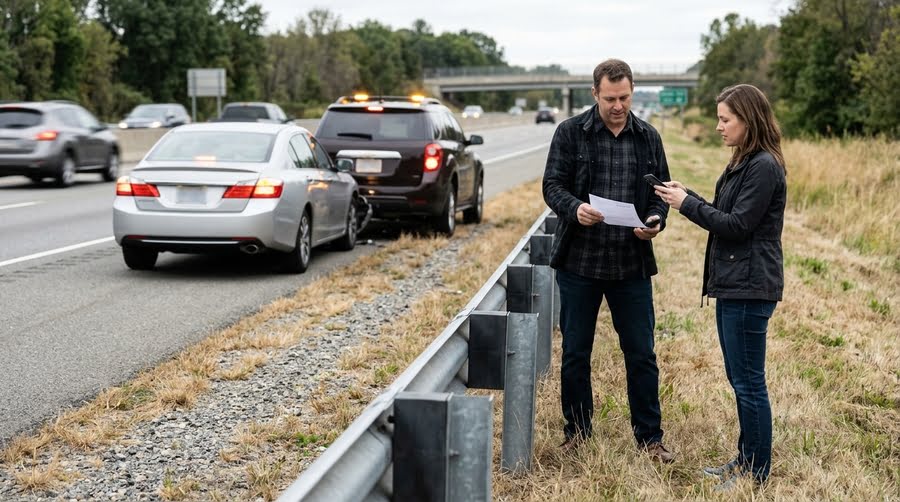
A car accident can turn an ordinary day into a stressful, confusing mess. Right after a crash, your mind is racing, and it is hard to know what to do first. That is when Safir Injury Law Firm can help, offering personal attention instead of a crowded caseload. Its approach starts with simple, practical steps that protect drivers in the first hours. Knowing what to do ahead of time keeps panic from making choices for you. Some drivers talk to a lawyer within days of a crash. A trusted accident attorney can explain which deadlines and insurance rules apply to a claim.
Check for Injuries and Get to Safety
Your first job is to check yourself and everyone else in the vehicle. Call 911 right away if anyone is hurt, even if the injuries seem minor. If the car can move safely, pull it to the shoulder or nearby lot. Turn on your hazard lights so other drivers can see your vehicle clearly. Stay inside the car if traffic is heavy and walking around feels dangerous. Once everyone is out of harm’s way, a driver has plenty of time to sort out the fault.
Call the Police and Report the Crash
Even a small collision should be reported to the police as soon as possible. An official report creates a neutral record that insurance companies often rely on later. Give officers a calm and honest account of what you saw and felt. Avoid guessing about speed, distance, or fault, because guesses can be used against you. Ask the officer for the report number and a contact phone number before leaving. That number makes it much easier to request a copy of the report later.
Document the Scene and Exchange Details
Use your phone to photograph all vehicle damage from several different angles and distances. Capture skid marks, road signs, traffic signals, and any debris scattered across the lanes. Write down the other driver’s name, phone number, license plate, and insurance information. Collect contact details from witnesses, since their memories fade faster than most people expect. Notes about the weather, time of day, and lighting can also help later. Save everything in one folder so you can find it quickly when needed.
Get a Medical Evaluation Right Away
Adrenaline can hide pain, so you may feel fine while still being injured. Whiplash, concussions, and internal injuries often show symptoms hours or even days later. See a doctor, urgent care provider, or emergency room as soon as you can. Medical records also link your injuries to the crash, which matters for any claim. Follow the treatment plan exactly and keep every follow up appointment you have scheduled. Gaps in treatment can make injuries look less serious than they really are.
Handle Insurance Calls With Care
Report the accident to your own insurance company soon, but keep the call simple. Stick to basic facts like the date, location, and vehicles that were involved. The other driver’s insurer may call you quickly and ask for a recorded statement. You are not required to give one, and early answers can limit your options. Never accept a settlement offer before you understand the full cost of your injuries. Keep copies of every letter, email, and bill connected to your accident claim.
After a crash, a driver is often left standing beside the car with no idea what comes next. Take a deep breath and go through these steps one at a time, at your own pace. You only need a few smart moves to get through a chaotic day, and that is enough. Healing takes time, and the bills and phone calls will not wait politely. If something feels off, ask questions until the answers actually make sense to you. Once a driver receives clear answers rather than vague replies, healing becomes the main focus.