Common Causes of Automobile Accidents and Who May Be Liable
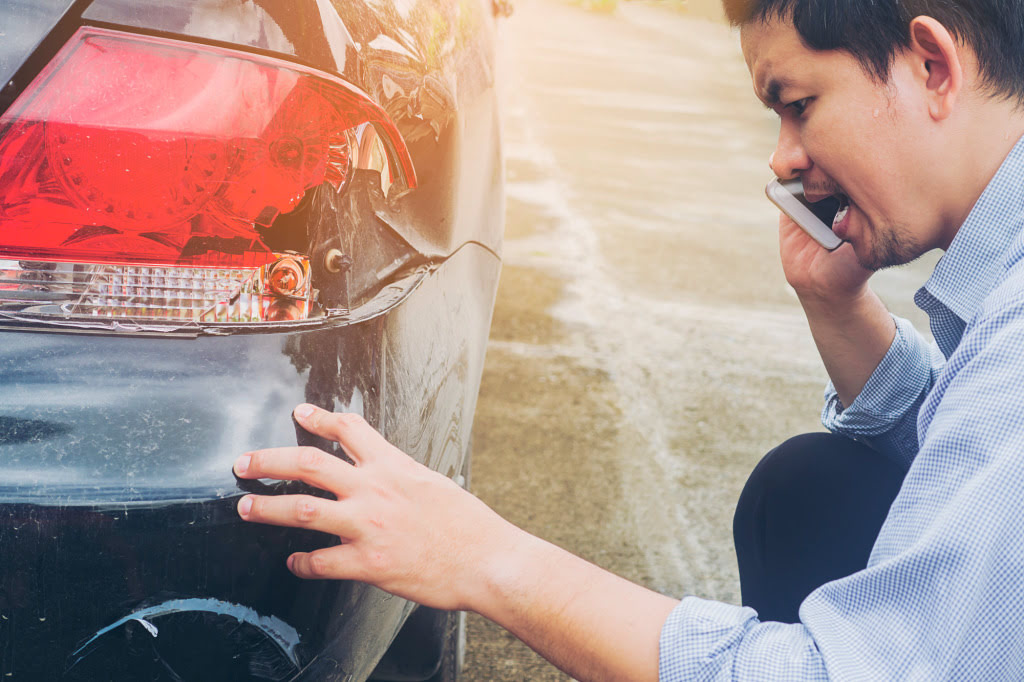
Common causes of automobile accidents include distracted driving, speeding, reckless behavior, and poor weather conditions. Liability may fall on drivers, vehicle owners, employers, manufacturers, or even government entities depending on how the accident occurred.
Automobile accidents are common in cities like Lafayette. It is a fast-growing parish in Louisiana known for its active daily traffic and busy roadways that connect residential, commercial, and surrounding areas.
When an automobile accident occurs here, understanding both the cause of the crash and who may be responsible is important to protecting your legal rights. Many accident victims choose to speak with a skilled Lafayette car accident lawyer because determining liability is not always straightforward.
Some accidents involve multiple contributing factors, and legal guidance can help identify responsible parties, preserve evidence, and pursue necessary compensation.
Common Causes of Automobile Accidents and Who May Be Liable
Understanding the most common causes of automobile accidents can also help clarify who may be legally responsible when a crash occurs.
Distracted Driving
Distracted driving occurs when a driver’s attention is taken away from the task of operating a vehicle, even for a short period of time. This includes activities such as texting, using a phone, adjusting navigation systems, eating, or interacting with in-car technology or passengers.
Because the issue centers on loss of attention, liability often focuses on whether the driver failed to maintain proper focus on the road at the time of the crash. Investigators may rely on evidence such as phone activity logs, witness statements, dashcam footage, or vehicle data to determine whether distraction played a role in the accident.
Speeding and Aggressive Driving
Speeding and aggressive driving involve deliberate violations of safe driving standards. This may include exceeding posted speed limits or engaging in risky behaviors like tailgating, unsafe lane changes, running red lights, or road rage incidents.
These actions are based on intentional risk-taking or disregard for traffic rules, which significantly increases the likelihood of a crash.
Liability is often supported by objective evidence such as traffic citations, skid mark analysis, accident reconstruction reports, and witness accounts that show the driver was operating recklessly or unlawfully.
Impaired Driving
Under 36 CFR § 4.23 of the Code of Federal Regulations, it is illegal to operate or be in actual physical control of a motor vehicle while under the influence of alcohol, drugs, or a combination of substances to the extent that safe operation is impaired. Alcohol, illegal drugs, and even certain prescription medications can affect judgment, reaction time, coordination, and decision-making, making it unsafe to drive.
If impairment contributes to an accident, the impaired driver may face civil liability for injuries and property damage in addition to possible criminal consequences. Evidence may include toxicology reports, field observations, or other investigative findings.
Poor Weather and Road Conditions
Weather-related conditions such as heavy rain, fog, reduced visibility, standing water, potholes, or damaged road surfaces can make driving more dangerous and increase the likelihood of collisions. However, poor conditions alone do not automatically remove responsibility from drivers.
Drivers are generally expected to adjust their speed and driving behavior based on road conditions. In some situations, liability may extend beyond drivers and involve government entities, contractors, or parties responsible for roadway design, repair, or maintenance.
Vehicle Defects and Mechanical Failures
Some automobile accidents occur because of unexpected vehicle failures rather than driver error. Problems such as brake malfunctions, tire blowouts, steering failures, defective airbags, or faulty vehicle components can create dangerous situations even when drivers act responsibly.
When mechanical defects contribute to an accident, liability may extend to manufacturers, parts suppliers, repair shops, or maintenance providers. Investigations may involve vehicle inspections and technical analysis to determine the source of the failure.
Employer Liability in Work-Related Accidents
When a driver causes an accident while performing job-related duties, responsibility may sometimes extend to the employer. This can arise in situations involving delivery drivers, company vehicles, transportation services, or employees traveling as part of their work responsibilities.
Employers may be held liable under certain legal principles if the employee was acting within the scope of employment at the time of the crash. In some cases, employer policies, hiring practices, or vehicle maintenance records may also become relevant.
Final Takeaways
- Automobile accidents are commonly caused by distraction, speeding, impairment, weather, and mechanical issues.
- Liability does not always rest with a single person and may involve multiple parties.
- A skilled Lafayette car accident lawyer can help identify responsible parties and strengthen an injury claim.
- Evidence and investigation play a major role in determining fault.
- Understanding both accident causes and liability can help victims make informed decisions after a crash.