How Can the Most Common Accidents Which Occur When Using Cranes Be Reduced?

The most common accidents which occur when using cranes are reduced by following standard safety guidelines, adhering to crane load charts, conducting inspections by competent workers, and allowing only qualified workers to operate cranes. These 4 measures — combined with proper rigging practices, operator training, preventive maintenance, and modern safety devices — address the root causes of crane accidents including overloading, power line contact, tip-overs, boom collapse, and dropped loads. The Occupational Safety and Health Administration (OSHA) reports that cranes cause over 42% of construction fatalities, with power line contact alone accounting for 39% of crane-related deaths. This guide covers 14 common types of crane accidents, 6 key safety devices, 11 preventive measures, and OSHA compliance requirements that construction companies need to reduce crane accidents on job sites.
Introduction: Why Crane Safety Matters
Crane operation carries inherent risk. Between 2011 and 2017, an average of 42 workers died each year from crane-related events on construction sites in the United States. These deaths stem from preventable causes — overloading, electrical contact, mechanical failure, and operator error.
The financial and legal consequences of crane accidents extend beyond human injury. A single crane accident triggers compensation claims, regulatory fines, project delays, equipment damage, and reputation loss for the construction company involved. OSHA enforces strict crane safety regulations, and violations result in penalties ranging from $16,131 per serious violation to $161,323 per willful violation.
Reducing crane accidents requires a systematic approach covering 3 areas: technical equipment safeguards, human training and certification, and organizational safety procedures. The combination of reliable equipment, trained personnel, and strict safety rules breaks the chain of errors that leads to accidents. Companies with strict safety protocols and regular training programs experience significantly fewer workplace accidents than those without structured crane safety measures.
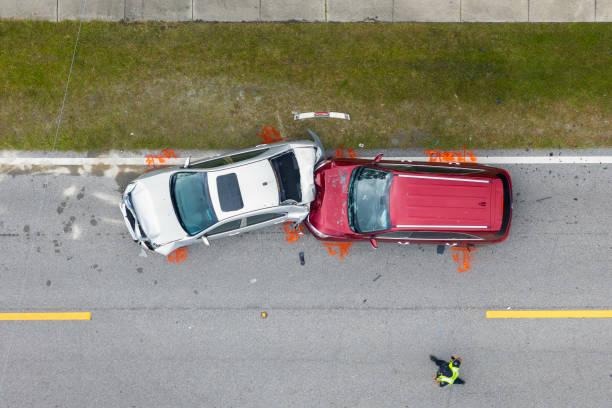
Understanding how high costs result from accidents — whether on construction sites or roadways — reinforces why prevention always costs less than response.
Common Types of Crane Accidents and Their Causes
There are 14 common types of crane accidents that occur on construction and industrial sites. Understanding each accident type is the first step toward preventing crane incidents.
Overloading and Dropped Loads
Overloading occurs when operators lift more than the crane’s rated capacity. The hoist, ropes, and structural frame face extreme stress that leads to sudden breaks or total collapse. Overloading happens for 3 primary reasons:
- Operators do not know the exact load weight before hoisting
- Crews exceed maximum load limits to speed up project timelines
- Rigging angle reduces effective sling capacity (a sling at 30 degrees carries double the tension of a vertical sling)
Dropped loads account for 27% of overhead crane injuries according to Konecranes analysis of OSHA data. A Crane Institute of America (CIA) study found that 46% of serious injuries and fatalities involving overhead cranes came from someone being struck by the load. Proper load weight verification steps before every lift prevent overloading accidents.
Power Line Contact
Power line contact is the leading cause of crane-related deaths, accounting for 39% of all crane fatalities according to OSHA statistics. When a crane boom or cable touches a live power line, electrical current flows through the crane structure and can electrocute the operator, ground crew, or anyone touching the crane or its load.
Prevention requires 3 actions:
- Identify and mark all above-ground and below-ground power lines before crane setup
- Maintain minimum OSHA-mandated distances from power lines based on voltage rating
- Contact the power company to de-energize lines when work requires closer proximity
Proximity sensors and power line detection systems provide electronic warning when cranes approach energized conductors.
Tip-Overs and Stability Issues
Crane tip-over accidents result from environmental hazards and improper preparation. High winds, uneven ground, and exceeded load capacities force the crane beyond its center of balance. Contributing factors include:
- Failure to deploy outriggers properly on mobile cranes
- Operating on soft, uneven, or unstable ground surfaces
- Exceeding the crane’s maximum rated capacity at a given boom radius
- Wind loads exceeding the crane’s operational wind speed limits
Crane tip-overs account for 7% of crane fatalities per OSHA data. Outrigger pad placement checks and ground stability during setup prevent tip-over accidents.
Boom Failure/Collapse and Structural Failure
Boom collapse occurs when the boom extends beyond its design limits while carrying heavy loads. Overextension places excessive pressure on the crane’s hydraulic and mechanical systems, causing structural failure. Warning signs include unusual noises, unfamiliar vibrations, and visible deformation of boom sections.
Boom buckling and collapse accounts for 8% of crane fatalities. Daily pre-use inspection logs that record boom condition, hydraulic pressure readings, and pin/bolt integrity catch structural issues before they become catastrophic failures.
Falls From the Crane
Falls from cranes happen when workers climb onto crane structures without appropriate safety harnesses, fall protection gear, or lifeline systems. Workers fall from crane cabs during access/egress, from boom sections during assembly, and from crane decks during maintenance.
Prevention requires a zero-exception rule for personal protective equipment (PPE) whenever workers access elevated crane components. Properly worn harnesses connected to rated anchor points prevent fatal falls.
Poor Ground Preparation
Safe mobile crane operation requires even and stable ground conditions in the work area. Uneven or unstable ground creates 3 hazards:
- Crane settles unevenly, shifting the center of gravity
- Outrigger pads sink into soft ground, removing support
- Ground gives way under concentrated crane loads
Verify ground bearing capacity meets the crane manufacturer’s requirements before setting up. Use timber mats, steel plates, or engineered outrigger pads to distribute loads on soft ground surfaces.
Rope, Chain, and Sling Failure
The lifting system is only as strong as its weakest component. Wire ropes wear down from abrasion, kinking, corrosion, and overuse. Chains develop fatigue cracks at link connections. Slings fail from edge cutting, overloading, or ultraviolet degradation.
Wire rope fray detection methods include visual inspection for broken wires (discard at 6 broken wires in one lay length), diameter measurement for stretch and wear, and examination for bird-caging or kinking. Rigging inspection before lifts prevents sling failure accidents.
Brake Malfunction
Crane brakes prevent heavy loads from falling during lifting and holding operations. Brake malfunction causes include contaminated friction pads, improper adjustments, general wear, and hydraulic fluid leaks. A slipping or jamming brake during a loaded lift creates immediate danger for anyone in the load path.
Test brakes daily under no-load conditions for proper hold and release. Inspect friction surfaces monthly and replace pads before they reach minimum thickness.
Control System and Electrical Faults
Modern cranes depend on electronics for precise operation. Faulty wiring, loose connections, and damaged inverters cause erratic movements, sudden stops, and electrical sparks that risk fire. These failures come from poor assembly, moisture ingress, vibration damage, or lack of protective enclosures.
Sealed electrical cabinets with labeled wiring diagrams, thermal protection, surge suppression, and earth-fault detection reduce electrical fault risk. Quarterly thermal scans on electrical panels identify overheating connections before they cause failures.
Limit Switch and Sensor Failure
Limit switches prevent cranes from running beyond safe travel ranges. Failed limit switches allow hooks to crash into hoist drums, trolleys to derail from runways, and loads to swing uncontrollably into structures or personnel.
Install fail-safe limit switches that default to the “stop” position when power is lost. Test limit switches during every pre-shift inspection. Calibrate encoders and position sensors after any mechanical work on the crane.
Runway and Rail Defects
Overhead cranes travel on rails that require correct alignment and maintenance. Misaligned tracks, worn rail sections, and uneven foundations cause wheel derailment, uneven structural loading, and increased vibration. Rail defects accelerate structural fatigue in crane girders and end trucks.
Verify rail gauge, level, and anchor bolt torque during installation and at scheduled inspection intervals. Schedule rail inspections after seismic events, building modifications, or heavy impact incidents.
Structural Fatigue and Weld Cracks
Crane structures experience repeated stress cycles during normal operation. Over time, cyclic loading causes fatigue in girders, joints, and welded connections. Poor weld quality or under-designed joints accelerate crack formation. Once cracks initiate, they propagate under continued loading until the structure fails.
Specify nondestructive testing (NDT) — including magnetic particle inspection and dye penetrant testing — on critical weld joints at handover and periodically based on the crane’s duty cycle classification.
Human Factors and Workplace Layout
Even well-built cranes cause accidents when human practices and site layouts create hazards. Crowded aisles, low visibility zones, absence of clear exclusion zones, and operator fatigue all increase collision probability.
Crane path clearance audits verify that load travel routes are clear of personnel, structures, and stored materials. Regular pre-lift meetings and enforced break times reduce mistakes from fatigue — a factor that contributes to workplace incidents across all equipment operations.
Visual Failures
Many crane accidents occur not from mechanical failure or overloading but from the operator failing to see a hazard during operations. Blind spots around the crane cab, obstructed views of the hook and load landing zone, and poor lighting create conditions where operators move loads into people or structures.
An outside spotter relaying visual signals to the operator prevents blind-spot accidents. Camera systems mounted on the boom tip, hook block, and rear of the crane cab expand the operator’s field of view.
Key Safety Devices and Technologies
There are 6 primary categories of safety devices that reduce crane accidents through automated protection, operator alerts, and system monitoring.
Load Moment Indicators (LMI) and Overload Protection
Load Moment Indicators continuously calculate the crane’s actual lifting moment (load weight × radius) and compare the value against the crane’s rated capacity at that radius. LMI systems provide 3 levels of response:
- Visual display — Shows current load percentage on an in-cab screen
- Audible alarm — Sounds at 90% of rated capacity as a warning
- Automatic cutoff — Stops crane motion at 100-110% of rated capacity to prevent overloading
Overload limiters use proof-tested load cells or rated overload relays to measure actual hoist line tension. Load charts posted at the control station allow operators to verify lifting capacity before each lift.
Anti-Two-Block Devices
Two-blocking occurs when the hook block contacts the boom tip sheave, causing the hoist line to snap under continued hoisting force. Two-blocking accounts for 2% of crane fatalities per OSHA data. Anti-two-block devices install a weighted switch on the hoist line near the boom tip that cuts hoist power before the block reaches the sheave. Two-blocking prevention systems activate automatically without operator intervention.
Outrigger Monitoring Systems
Outrigger monitoring systems use pressure sensors and level indicators to verify that all outrigger pads are fully extended and carrying appropriate load. The system prevents crane operation when outriggers are not properly deployed. Some systems calculate ground bearing pressure in real time and adjust the crane’s allowable load chart based on actual outrigger loading.
Outrigger pad placement checks verified by monitoring systems prevent tip-over accidents caused by partially extended or improperly supported outriggers.
Proximity Sensors and Power Line Detection
Proximity sensors detect nearby energized conductors and provide graduated warnings as the crane approaches power lines. These mitigating electrical contact risks devices use electromagnetic field detection to alert operators before the crane or load enters the danger zone.
Systems range from simple audible alarms at predetermined distances to integrated systems that automatically limit crane motion when approaching minimum clearance distances. Anti-collision devices using lasers or motion sensors prevent crane-to-crane and crane-to-structure collisions on sites with multiple cranes.
Cameras and Mirrors for Improved Visibility
Camera systems mounted on boom tips, hook blocks, rear counterweight areas, and at ground level provide live video feeds to the operator’s cab. These systems eliminate blind spots that cause struck-by accidents. High-definition cameras with infrared capability allow operation in low-light conditions and at night.
Mirrors positioned on crane structures supplement camera systems by providing passive visual coverage without electrical power dependency. The combination of cameras and mirrors gives operators a complete view of the load path, landing zone, and ground personnel.
Integration of Modern Safety Devices
Modern crane safety technology integrates multiple systems into a unified platform. Integrated systems combine LMI data, outrigger status, proximity warnings, camera feeds, wind speed readings, and maintenance alerts into a single operator display. This integration provides 4 benefits:
- Reduces operator cognitive load by presenting all safety data in one interface
- Enables automatic crane shutdowns when multiple risk factors combine
- Records operational data for post-incident analysis and training
- Supports remote monitoring by safety supervisors and fleet managers
Safety equipment and technologies continue evolving. Keeping crane fleets updated with current safety technology maximizes job site protection. The investment in modern safety devices pays for itself by preventing a single major accident.
Preventive Measures and Safety Procedures
There are 11 preventive measures that reduce crane accidents when implemented consistently across all crane operations.
Rigorous Training Programs and Continuous Skill Development
Certified crane operators require formal training covering crane mechanics, load dynamics, rigging principles, OSHA regulations, and emergency procedures. Training programs include both classroom instruction and hands-on equipment operation under supervision.
Continuous skill development extends beyond initial certification. Operators improve efficiency, productivity, and safety through ongoing practice and learning. Skills that require regular reinforcement include:
- Load chart interpretation for varying boom configurations
- Emergency response procedures for mechanical failures
- New equipment familiarization when crane models change
- Updated regulatory requirements from OSHA and state agencies
Regular safety training sessions scheduled monthly maintain awareness and build a culture where safety concerns are reported without hesitation.
Daily and Annual Inspections by Competent Workers
Inspections by competent workers catch minor issues before they become serious failures. The inspection schedule operates on 3 levels:
Daily pre-shift inspections — Visual equipment checks covering wire rope condition, hook latch function, hydraulic fluid levels, brake response, control lever operation, and outrigger condition. Duration: 15-30 minutes per crane.
Monthly inspections — Detailed examination of structural components, electrical connections, safety device function, and wear items. Performed by qualified maintenance personnel with documented findings.
Annual inspections — Comprehensive evaluation by licensed inspectors covering all structural, mechanical, electrical, and safety systems. Includes load testing, NDT of critical welds, and calibration verification of all instruments and limiters.
Daily pre-use inspection logs create a documented history that identifies degradation trends before components reach failure thresholds.
Proper Load Handling Techniques and Effective Rigging Practices
Crane operators maintain awareness of surroundings and move loads to prevent collisions or struck-by accidents. Proper load handling follows 5 steps:
- Take up all slack in hoist lines and rigging slowly
- Lift the load a few inches (5-10 cm) from the ground to verify brake hold and load security
- Confirm the load and crane are free to move and will clear all obstructions
- Center the hoist over the load’s center of gravity so hoist lines hang vertical
- Move the crane slowly and smoothly to prevent load swing
Effective rigging practices require trained riggers who understand sling types (wire rope, alloy-steel chain, metal mesh, synthetic web, synthetic round, and synthetic rope), sling capacity at various angles, and edge protection requirements. A sling at 45 degrees carries 1,414 pounds (641 kg) of tension from a 1,000-pound (454 kg) vertical load. Slings used at angles less than 30 degrees from horizontal are prohibited.
Standardized Hand Signals and Radio Protocols
Operator hand signal standardization ensures consistent communication between the crane operator, signal person, and ground crew regardless of which personnel are assigned. OSHA requires that crane operations use either standard hand signals or voice communication (radio) — the method must be established before the lift begins.
Standard crane hand signals cover boom up, boom down, hoist up, hoist down, swing left, swing right, travel, stop, and emergency stop. All personnel involved in the lift must know and use the same signal system. Radio protocols establish clear channel assignments, call signs, and acknowledgment procedures that prevent miscommunication during critical lift phases.
Establishing Exclusion Zones and Safe Work Areas
Exclusion zones around operating cranes keep nearby workers safe and prevent unauthorized access to the swing radius, load travel path, and potential drop zone. Exclusion zone requirements include:
- Swing radius barricades preventing personnel from entering the area swept by the crane’s counterweight and superstructure
- Load path barriers ensuring no workers stand under suspended loads
- Assembly/disassembly zones restricting access during crane erection and dismantling
Physical barriers (fencing, barricades, jersey barriers) provide better protection than tape or cones alone. Warning signs posted at all access points identify the hazard and required authorization.
Routine Maintenance Schedules and Addressing Wear and Tear
Routine maintenance keeps crane components within design specifications and prevents the cascading failures that turn minor wear into catastrophic accidents. A preventive maintenance program operates on 4 tiers:
| Frequency | Tasks |
|---|---|
| Daily | Visual checks, fluid levels, brake test, control function |
| Weekly | Lubrication, wire rope inspection, fastener torque spot-checks |
| Monthly | Electrical connection inspection, hydraulic system test, structural examination |
| Annual | Comprehensive inspection, load testing, NDT, calibration |
Addressing wear and tear when detected — rather than waiting for scheduled replacement — prevents in-service failures. Replace wire ropes before reaching discard criteria, change brake pads before minimum thickness, and repair fluid leaks before systems lose pressure.
Monitoring Hazardous Conditions (Weather, Ground, etc.)
Weather monitoring for wind conditions is the most common environmental check for crane operations. Each crane has a maximum operational wind speed specified by the manufacturer, typically 20-30 mph (32-48 km/h) for mobile cranes and 45 mph (72 km/h) for tower cranes before work must stop.
Ground conditions change with weather. Rain softens soil and reduces bearing capacity. Frost heave and thaw cycles alter ground stability seasonally. Monitor ground conditions throughout the lift operation, not just during initial setup.
Postpone crane work when wind speeds approach crane limits, visibility drops below safe minimums, lightning threatens the area, or ground conditions deteriorate during rain.
Following Crane Load Charts and Manufacturer Guidelines
The crane load chart is the primary reference document for safe crane operation. Load charts specify the maximum allowable load at every combination of boom length, boom angle, and operating radius. Operators must consult the load chart before every lift and verify that the planned load weight (including rigging hardware) falls within the chart’s limits for the crane’s current configuration.
Load chart adherence protocols require:
- Knowing the exact weight of the load (weigh or calculate — never estimate)
- Accounting for rigging weight subtracted from gross capacity
- Checking the chart for the specific boom length and radius being used
- Reducing allowable capacity for on-rubber lifts versus on-outriggers
- Applying wind, temperature, and ground condition derating factors when specified
Right Rigging and Stopping Hit-by-Load Accidents
The most frequent cause of serious injury and death in overhead crane operations is someone being hit by the load. A CIA analysis determined that 46% of serious overhead crane injuries came from load strikes, while Konecranes found 37% of incidents involved crushing by the load and 27% involved dropped loads.
Stopping hit-by-load accidents requires 4 controls:
- Never engage controls until all personnel are in safe positions and the load path is clear
- Verify the crane hoist is centered over the load’s center of gravity with vertical hoist lines before traveling
- Move slowly and smoothly to prevent load swing that can strike nearby workers or structures
- Maintain operator awareness of position relative to the load — never stand between a moving load and a fixed object
Load rotation control techniques using tag lines allow ground crew to guide loads without standing in the travel path. Tag line personnel position themselves outside the potential swing arc of the load.
Preventing Overload and Tipping
Prevent overloading accidents by implementing 5 controls:
- Install and maintain calibrated overload limiters on every crane
- Post load charts at the operator’s station with clear visibility
- Weigh all loads before lifting — never rely on estimates or markings
- Account for dynamic loading factors (wind, acceleration, impact) in capacity planning
- Train operators to refuse lifts that approach or exceed rated capacity
Tipping prevention combines overload protection with proper outrigger deployment, ground preparation, wind monitoring, and boom angle management. Lift plan peer reviews by a second qualified person catch errors in capacity calculations before the lift begins.
Crane Stability: Proper Grounding and Set-Up
A crane’s stability depends on ground conditions and proper setup procedures. Ground preparation and crane positioning follow this sequence:
- Evaluate soil bearing capacity at the planned setup location
- Level the crane within manufacturer’s specified tolerance (typically ±1% grade)
- Extend all outriggers fully with pads placed on stable, prepared surfaces
- Verify outrigger pad sizes distribute loads below ground bearing capacity
- Recheck level after initial loading begins
Adjustable outriggers with real-time pressure monitoring ensure the crane remains stable throughout the lift operation. Different terrain types — clay, sand, fill material, asphalt, concrete — require different outrigger pad sizes and ground preparation methods.
OSHA Crane Accident Statistics and Compliance
OSHA data shows the following distribution of crane accident causes:
| Accident Type | Percentage of Fatalities |
|---|---|
| Contact with power lines | 39% |
| Crane assembly/disassembly | 12% |
| Boom buckling/collapse | 8% |
| Crane upset/overturn | 7% |
| Rigging failure | 7% |
| Overloading | 4% |
| Struck by moving load | 4% |
| Man-lift related | 4% |
| Working within counterweight radius | 3% |
| Two-blocking | 2% |
| Hoist limitations | 1% |
| Other causes | 6% |
OSHA crane safety regulations (29 CFR 1926 Subpart CC for construction, 29 CFR 1910.179-180 for general industry) establish minimum requirements for crane operation including operator certification, inspection schedules, safety device requirements, and work practice standards.
Compliance with OSHA regulations requires construction companies to:
- Ensure crane operators hold valid certifications from accredited testing organizations
- Conduct daily visual inspections and annual comprehensive inspections documented in writing
- Maintain crane safety devices (LMI, anti-two-block, limit switches) in proper working order
- Develop and follow a lift plan for critical lifts
- Designate qualified signal persons for all lifts where the operator cannot see the load landing area
- Maintain safe distances from power lines based on voltage
- Establish exclusion zones around cranes during operation
The same principles of training, inspection, and documented procedures that prevent workplace incidents involving vehicles apply to crane operations — operator competency and maintained equipment form the foundation of accident prevention.
Frequently Asked Questions
What Is the Most Common Crane Accident?
The most common crane accident is the crane or its boom contacting live power lines, accounting for 39% of all crane fatalities according to OSHA statistics. For overhead cranes specifically, the most common serious accident is someone being struck by a suspended load, accounting for 46% of serious injuries and fatalities per Crane Institute of America analysis. These accidents are prevented by maintaining OSHA-mandated distances from power lines, using proximity detection systems, clearing the load path of all personnel before moving loads, and training operators to verify safe conditions before engaging crane controls.
What Are the Major Causes of Crane Accidents?
The major causes of crane accidents fall into 3 categories: technical failures (overloading, poor maintenance, component faults including brake or wire rope failure), human factors (operator error, insufficient training, fatigue, poor job site planning), and organizational failures (weak safety procedures, unclear responsibilities, inadequate communication). Most accidents result from a chain of multiple errors rather than a single cause. A safe crane operation requires reliable equipment maintained on schedule, trained and certified personnel, and strictly enforced safety rules with clear accountability.
Safe equipment operation — whether operating cranes on construction sites or driving vehicles on public roads — depends on trained operators, maintained machinery, and adherence to established safety protocols.
Conclusion: Building a Culture of Safety
The most common accidents which occur when using cranes are reduced through 4 primary measures: following standard safety guidelines when operating cranes, paying attention to crane load charts, conducting inspections by competent workers, and allowing only qualified workers to operate cranes. These measures combine with modern safety devices (LMI, anti-two-block, proximity sensors, outrigger monitors), rigorous training programs, preventive maintenance schedules, and OSHA compliance to create a comprehensive crane safety system.
OSHA statistics confirm that power line contact (39%), assembly/disassembly (12%), boom collapse (8%), and crane overturn (7%) account for the majority of fatal crane accidents. Each accident type has specific, proven prevention methods — from proximity sensors and exclusion zones to load chart adherence protocols and daily pre-use inspection logs.
Building a safety culture means every person on the job site — from crane operators to ground crew to site supervisors — takes responsibility for identifying hazards, following safe operating procedures, and stopping work when conditions are unsafe. Companies that invest in certified crane operators, regular crane inspections, modern safety devices, and continuous skill development protect their workers, reduce costly downtime, and maintain compliance with OSHA crane safety regulations. The cost of prevention is always less than the cost of a crane accident.