Understanding CDL License Types and What They Allow You to Drive
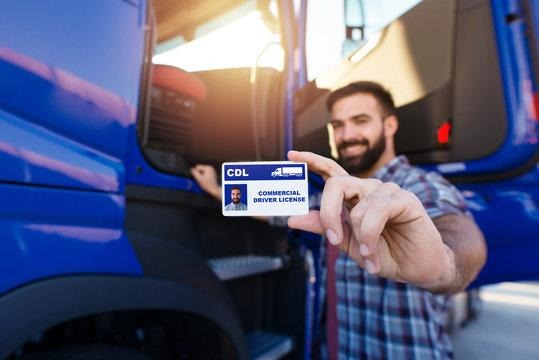
If you want to drive any vehicle like a delivery truck, garbage truck, public bus, or even a private bus, you need to get a commercial driver’s license (CDL). They are specialized licenses that one needs to carry to legally drive a commercial vehicle.
There are 3 main types of commercial driver’s licenses: Class A, Class B, and Class C. This classification is mainly based on vehicle weight and the kind of cargo or passengers being transported. Understanding the differences between each class helps drivers obtain the correct license and operate commercial vehicles legally.
Here’s what each class actually covers:
Class A CDL – The Heaviest Combinations
Class A is the most comprehensive class out of the three. It covers any combination of vehicles with a Gross Combination Weight Rating of 26,001 pounds or more as long as the trailer being towed weighs more than 10,000 pounds.
If you’re thinking tractor-trailers, flatbeds, tanker trucks, and livestock carriers, know that’s Class A territory.
One thing a lot of people don’t know going in: a Class A license also covers Class B and Class C vehicles. So if you put in the work to get Class A, you’re not locked into one type of truck; you’ve opened up everything below it, too.
This is the license that gets people into long-haul trucking. Interstate freight, over-the-road routes, and the jobs that keep goods moving across state lines: Class A is what makes those careers possible. It’s also the class that tends to come with the highest earning potential, especially once drivers start adding endorsements on top of the base license.
Under 49 C.F.R. § 383.91, federal law defines the Class A category and sets the weight thresholds that trigger CDL requirements across all states. Every state has to follow that framework, even if they add their own requirements on top.
Class B CDL – Heavy Single Vehicles
Class B covers single vehicles with a Gross Vehicle Weight Rating of 26,001 pounds or more, along with any such vehicle towing a trailer that stays under 10,000 pounds. The keyword there is single: no multi-unit combinations like a tractor pulling a full trailer.
The vehicles that fall under Class B are the ones most people encounter every day. E.g.:
- City buses.
- School buses.
- Box trucks running local delivery routes.
- Dump trucks on construction sites.
- Cement mixers.
- Garbage trucks.
These are Class B vehicles, and the drivers operating them need this license to do it legally.
Class B also lets you operate Class C vehicles. The scope is narrower than Class A, but for drivers who prefer local work, getting home every night, and working within a specific region, Class B opens plenty of doors without requiring the full commitment of over-the-road driving.
Class C CDL – Smaller but Specialized
Class C doesn’t cover the heaviest vehicles, but it’s not a minor license either. It’s required for any commercial vehicle that falls below the Class A and B weight thresholds but is designed to transport 16 or more passengers, including the driver, or is used to haul hazardous materials that require placarding under federal regulations.
Passenger vans, airport shuttles, and small HAZMAT vehicles are all in the Class C world. The vehicles are smaller, but the responsibility is real, particularly on the hazardous materials side.
Transporting anything that requires DOT placarding triggers Class C requirements regardless of the vehicle’s weight.
Under 49 C.F.R. § 383.5, hazardous materials cover anything that presents an unreasonable risk during transport, and the rules around moving that kind of cargo are not flexible.
Key Takeaways
- Class A covers combinations over 26,001 lbs with a towed unit over 10,000 lbs.
- Class A holders can also legally operate Class B and Class C vehicles.
- Class B covers heavy single vehicles over 26,001 lbs, including buses, box trucks, dump trucks, cement mixers, and garbage trucks.
- If you have a Class B, you can drive a Class C vehicle without extra licensing; however, the reverse doesn’t work.
- Class C primarily covers smaller rigs, but only if they’re moving 16+ people or hauling material that needs DOT placards.