Types of Driving License You Can Get in Texas
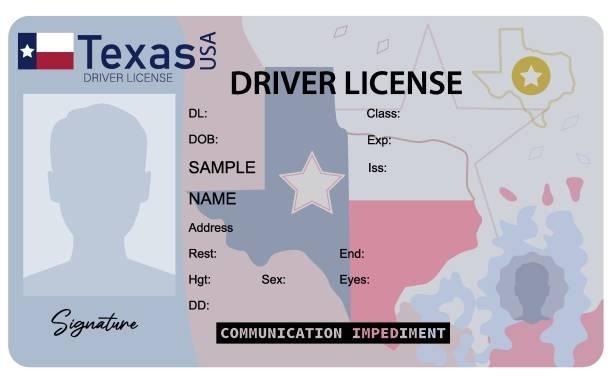
Texas issues several types of driver’s licenses based on the vehicle you plan to drive, your age, and your experience level. The main non-commercial classes are Class A, B, C, and M, with separate learner, provisional, and commercial versions. Most Texans only ever need a standard Class C license.
Texas is one of the largest states in the country, with millions of licensed drivers across cities, suburbs, and rural highways. The Texas Department of Public Safety, or DPS, manages every license class through offices statewide.
This guide breaks down each of the Texas driver’s licenses. It covers passenger vehicles, motorcycles, teen licenses, and commercial trucking, so you know exactly which class applies to you.
Class A (Non-Commercial)
A non-commercial Class A license is for drivers exempt from a CDL who still operate very large vehicle combinations. It covers combinations with a gross combined weight rating of 26,001 pounds or more, where the towed unit exceeds 10,000 pounds.
This class most often applies to people towing large recreational vehicles for personal use, not for hire. Non-commercial classes fall under Texas Transportation Code Chapter 521, separate from the commercial rules in Chapter 522.
Class B (Non-Commercial)
A non-commercial Class B license covers a single vehicle rated at 26,001 pounds or more or that same vehicle towing a trailer under 10,000 pounds. It’s meant for personal or recreational use, such as driving a large motorhome, not paid commercial work.
Class C
Class C is the most common license in Texas, covering standard passenger cars, SUVs, vans, and small trucks under 26,001 pounds. It also allows towing a trailer under 10,000 pounds and covers vehicles carrying 23 or fewer passengers, including the driver.
Class M
Class M covers motorcycles and mopeds and doesn’t come automatically with any other license class. Applicants must complete a DPS-approved motorcycle safety course, and the certificate stays valid for 24 months.
Learner License
A learner license is the first step for drivers aged 15 to 17. A parent or guardian must accompany the applicant or provide a notarized application. Learner license holders must always drive with a licensed adult in the vehicle, focusing on supervised practice.
Provisional License
A provisional license is issued to drivers between 16 and 17 who’ve held a learner license for at least six months and completed driver education. It allows independent driving with a few added restrictions.
The provisional license automatically becomes a full Class C license on the holder’s 18th birthday.
Commercial Driver’s Licenses (CDL)
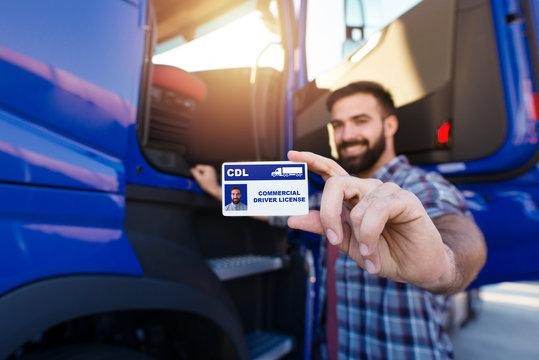
Texas requires a CDL for anyone driving large vehicles for work, hauling hazardous materials, or transporting 16 or more passengers. CDLs come in three classes under Texas Transportation Code Chapter 522.
- CDL Class A: Vehicle combinations with a gross combined weight of 26,001 pounds or more, where the towed unit exceeds 10,000 pounds
- CDL Class B: Single vehicles rated at 26,001 pounds or more, or those towing a trailer under 10,000 pounds
- CDL Class C: Smaller commercial vehicles hauling hazardous materials or 16+ passengers, below Class A or B weight limits
Applicants must hold a commercial learner permit for at least 14 days before the CDL skills test.
CDL Endorsements
An endorsement modifies what a CDL holder can transport. Each requires a separate knowledge test, and some require a skills test too.
- Passenger (P): Required for transporting people, such as bus driving
- Hazardous Materials (H): Required for hauling regulated hazardous materials
- Tanker (N): Required for hauling liquid or gas in bulk tanks
Drivers can hold multiple endorsements on a single CDL.
License Restrictions
DPS can add restrictions to any license based on vision, age, or driving history. These appear directly on the license.
- Corrective lenses required while driving
- A licensed adult present for certain younger drivers
- Daytime-only driving in some provisional cases
Key Takeaways
- Texas issues four main non-commercial license classes: A, B, C, and M.
- Non-commercial Class A and B licenses apply to large personal-use vehicles, not commercial work.
- Class C is the standard license used by most Texas drivers.
- Class M requires a separate motorcycle safety course.
- Teens progress through a learner license before earning a provisional license.
- Commercial driver’s licenses are required for large vehicles, hazmat loads, or high passenger counts.
- CDL endorsements, like passenger or hazmat, add specific privileges to a commercial license.