How to Choose the Right Used Truck for Your Business
Choosing the right used commercial vehicle doesn’t have to be overwhelming. It simply requires a clear look at your daily operations, your budget, and the truck’s physical condition. This guide breaks down the process, helping you find a reliable, high-performing truck that keeps your running costs low and your business moving smoothly.
Understanding Your Business Needs
The types of routes you drive will dictate exactly what kind of truck you need to avoid early wear and tear and high fuel costs. Before browsing used truck lots, it is crucial to map out your delivery environments, average cargo weight, and driving schedules. Matching the truck to your exact needs prevents operational headaches and keeps expenses in check.
For local city deliveries, you will want smaller box trucks with automatic transmissions and a compact size to handle frequent stops and tight loading docks. On the other hand, international or cross-country routes require heavy-duty tractors with aerodynamic cabs, large fuel tanks, and the right axle setup for long-distance efficiency.
Evaluating your cargo requirements ensures your truck can safely handle the job:
- Temperature-Controlled Freight: Requires an insulated box and a fully serviced refrigeration unit to keep food or medical supplies safe during transit.
- Heavy Machinery and Construction: Demands a chassis built for high weight limits, strong fifth-wheel couplings, and a powerful engine.
- Multi-Shift, 24/7 Operations: Needs a truck with a flawless service history and highly durable parts to guarantee it stays on the road around the clock.
- Seasonal or Occasional Use: Best suited for a standard, low-maintenance truck that will not drain your budget during the off-season.
Types of Used Trucks Available
Picking the right truck category ensures your vehicle runs efficiently, which directly saves on fuel and maintenance. The used market offers several types of trucks tailored to specific weights and jobs. Knowing these categories helps streamline your search.
Light to medium-duty box trucks are the most cost-effective choice for regional deliveries with multiple stops. They offer great fuel economy in cities and have simpler exhaust systems than massive rigs. If you transport perishables, specialized refrigerated box bodies will keep you compliant with cross-border food and medical regulations.
Heavy-duty trucks, like 4×2 and 6×2 tractor units, are the backbone of long-haul shipping and heavy industrial transport. These are built with massive engines and reinforced drivetrains to handle heavy loads over vast distances. When looking at these bigger trucks, checking axle setups and European emissions ratings is key to avoiding modern toll penalties.
Do not forget the driver’s comfort – sleeper cabs are essential for long-haul safety and driver retention. Understanding these categories allows you to filter through large inventories, like the extensive selection at Engeros Otepää OÜ, to find the exact setup your business needs to stay profitable.
Choosing the Right Vehicle
The most important financial decision when buying a used truck is balancing the upfront purchase price against the long-term running costs. A well-maintained used truck is a smart investment because you avoid the massive instant depreciation that comes with buying a brand-new factory order.
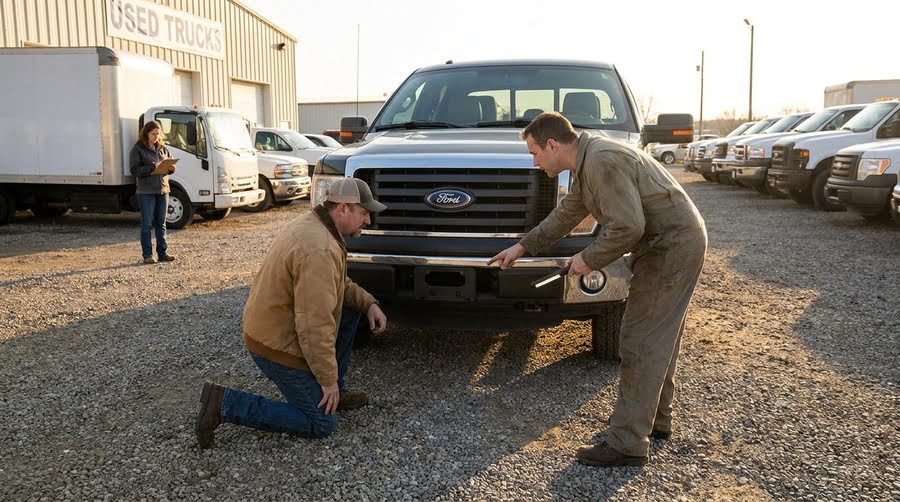
Always review the maintenance logs and vehicle history. This gives you a clear picture of past accidents, replaced parts, and how hard the truck was worked. Patchy service records are a huge red flag for future breakdowns and expensive workshop visits. Doing your homework here protects your business from buying a truck with hidden engine or transmission faults.
Fuel is your biggest ongoing expense, so prioritize models with good aerodynamics and modern fuel-saving technology. Thoroughly inspect the brakes, tire tread, and steering to avoid spending money on repairs right after you buy. Sourcing your trucks through established international dealerships also gives you access to a wider variety of equipment and flexible financing options that suit your company’s cash flow.
Factors to Consider When Buying a Used Truck
Checking the structural and mechanical health of a truck protects your business from nasty surprises. Look past the shiny paint job and focus on the engine, frame, and exhaust systems to ensure the truck meets European safety and transport laws.
Reviewing the service history confirms the true mileage and shows if the truck received regular care or suffered from chronic issues. Fuel economy and clean air compliance are just as important. Ensure the engine’s exhaust systems (like the DPF and SCR) are fully functioning so you meet Euro 6 standards and can freely enter city low-emission zones.
Use this physical inspection checklist to spot hidden issues before buying:
- Chassis and Frame: Look closely at the main rails for rust, cracks, or DIY welding jobs that could weaken the truck’s load capacity.
- Engine and Fluids: Inspect the engine block and transmission for leaks, and watch the exhaust smoke when starting the truck from cold.
- Brakes and Suspension: Check the air brake response times, inspect brake disc wear, and look for leaks or dry rotting in the air suspension.
- Axles and Drivetrain: Look for leaking seals, check wheel bearings, and test the differential locks under a load to ensure everything engages properly.
Making the Final Decision
The final step brings everything together: your mechanical inspections, your route needs, and your budget. Ensure the truck fits seamlessly into your daily operations and meets both your drivers’ needs and your company’s environmental goals. You want a tool that generates revenue, not an administrative burden.
If you need a specific body type, like a curtainsider or a refrigerated box, make sure it matches what is available in large trading stocks. Prioritizing modern safety features – like electronic stability control and driver-assist systems – can directly lower your insurance premiums and keep your team safe.
Finally, look into customized financing, such as leasing or hire-purchase agreements, to protect your working capital. Partnering with large international distributors who handle global shipping, clear title transfers, and customs guarantees a smooth delivery. By following this systematic approach, buying a used truck becomes a competitive advantage that supports your long-term business growth.