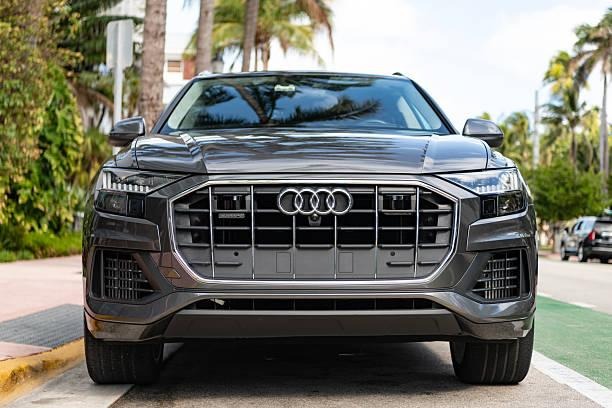
How a Cracked Windshield Affects Your Car’s Trade-In or Resale Value
Selling a damaged vehicle is typically more challenging than selling a car with no visible issues. Even if a vehicle runs well, if buyers notice damage right away, then they may treat the issue as proof that the car is not in the condition advertised. Additionally, visible issues like a cracked windshield can become an easy reason for buyers to negotiate a lower price.
Can You Sell a Car with a Cracked Windshield?
Legally, you can usually sell a car with a cracked windshield, especially if the damage is disclosed and the buyer understands the vehicle is being sold as-is.
However, a crack that affects visibility or safety should not be brushed aside. If the seller does not mention it, the buyer may feel misled about the car’s condition. Depending on the sale and local rules, that could lead to disputes, complaints, or a more difficult negotiation.
Does a Cracked Windshield Lower Your Car Resale Value?
A cracked windshield does not automatically ruin your car’s resale value, but it can make the car harder to sell at the price you want. The effect of having a cracked windshield on your car’s value depends on the size and location of the damage, the overall condition of the vehicle, and whether the buyer sees the glass as a minor fix or an immediate repair expense.
Buyers and dealerships tend to judge a vehicle quickly, and windshield damage is difficult to ignore. It sits directly in front of them during a test drive, so even a small crack can feel more important than a scratch on a bumper or a dent near the rear panel.
That’s why getting professional windshield repair services before listing your car can be worth considering. If the damage is small enough to repair, fixing it early may help remove an obvious objection before buyers ever see the vehicle.
How Windshield Damage Affects Private Sales and Trade-In Offers Differently
Selling privately and trading in are two very different experiences. When you sell privately, you are dealing with someone who may be nervous about buying a used car in the first place. A cracked windshield can add to that hesitation because it looks like an immediate repair bill.
Private buyers may react in a few common ways:
- They may ask you to lower the price.
- They may worry that the crack will spread.
- They may wonder if the car will need other repairs.
- They may compare your car with similar listings that look cleaner.
- They may walk away if the damage makes the vehicle feel less road-ready.
A dealer may be less emotional about the damage, but that does not mean they ignore it. The main difference is this: private buyers often negotiate based on uncertainty, while dealers usually negotiate based on reconditioning costs. Either way, the cracked windshield can affect how much you receive.
How Dealers Factor a Cracked Windshield into Car Trade-In Value
When you trade in a car, the local dealerships are not just looking at what the vehicle is worth today. They are also thinking about what needs to happen before that car can be cleaned up, priced, and offered to the next buyer. A cracked windshield can lower the offer because the dealer may see it as a repair that needs to be handled before the car goes back on the lot.
A dealer may not see a cracked windshield as a dealbreaker, but they will usually see it as something that affects resale. The vehicle still has to make a good impression on the next buyer, and windshield damage is hard to miss during a test drive.
In some cases, the dealership may subtract only a small amount because the damage is minor. In other cases, the reduction may be more noticeable, especially if the windshield needs full replacement or the car has technology connected to the glass. Newer vehicles can be more expensive to prepare for resale because the windshield may support ADAS cameras or safety systems that need proper calibration after replacement.
Should You Get Windshield Repair Before Selling a Car?
If you’re wondering if the cracked windshield repair cost is worth paying before you sell, start by thinking about how the damage will look to a buyer. A small crack may not seem like a big deal when you drive the car every day, but it can stand out quickly to someone seeing the vehicle for the first time.
Getting prompt windshield repair services is one of the best ways to reduce long-term vehicle expenses as well. Waiting for the damage to get worse can turn a simple repair into costly auto glass replacement, especially if the crack spreads across the windshield or reaches the edge of the glass.
How to Decide Whether to Repair, Replace, or Sell As-Is
The right choice depends on what the windshield damage will cost you in the sale. Sometimes a quick repair is enough to protect your asking price. Other times, replacing the glass may be the cleaner option. There are also cases where spending money before selling does not make sense, especially if the vehicle is older or already priced as-is.
A simple way to think about it is this: fix the windshield if the repair will likely cost less than the discount buyers are going to ask for. If the repair is expensive and the vehicle is not worth much more with clean glass, be honest about the damage and price the car accordingly.
Here is a practical way to decide:
- Repair it if the damage is small, not spreading, and outside the driver’s direct view.
- Get a windshield replacement if the crack is beyond a basic repair, especially when it affects the driver’s view, runs close to the windshield edge, or sits near cameras and sensors built into the glass.
- Sell as-is if the vehicle is older, already discounted, or the repair cost will not meaningfully improve your final sale price.
- Get a quote first if you are not sure. A repair estimate gives you a clearer idea of whether fixing the windshield is worth it before you list or trade in the car.
Final Takeaways
A cracked windshield might not bother you much after a while, but it can be one of the first things a buyer notices. Even if the rest of the car is in good shape, visible glass damage can make the vehicle feel less prepared for sale. It gives buyers a reason to pause and start thinking about repair costs.
The best decision is the one that keeps the sale simple. You want buyers to understand what they are getting, and you want to avoid spending money on repairs that will not meaningfully improve your final price.