What It’s Really Like to Rent a Supercar in Dubai (And What It Costs)
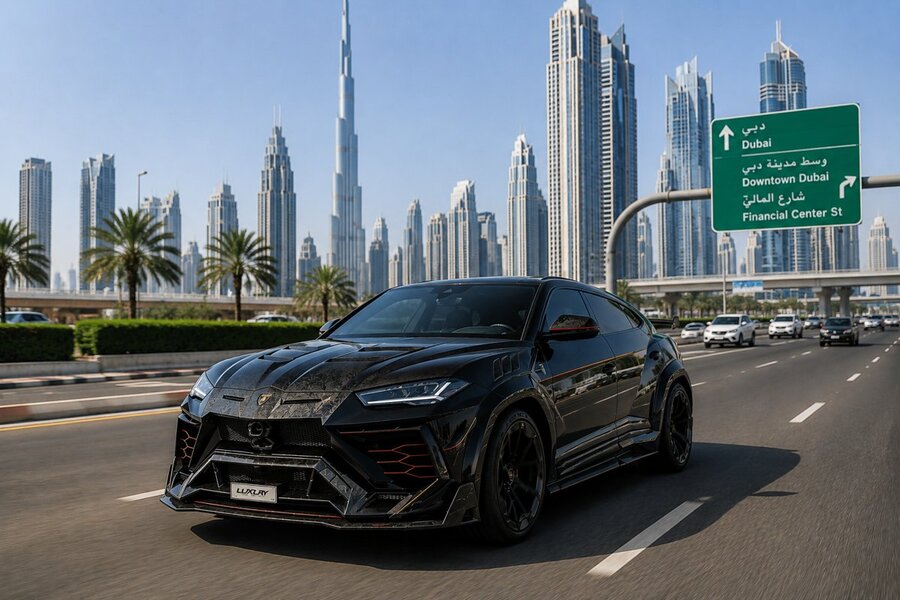
If you’ve ever scrolled past a video of a Lamborghini idling outside a Dubai hotel and thought “I need to do that someday,” you’re not alone. Dubai has become the unofficial capital of supercar tourism, and unlike a lot of bucket-list experiences, this one is surprisingly accessible; you don’t need to own a fleet of exotics or know the right people. A quick search for Lamborghini rental in Dubai turns up dozens of operators, but knowing how the market actually works makes the difference between a smooth pickup and a frustrating one.
Here’s a practical look at what’s involved, for anyone who ends up adding it to their travel plans.
Why Dubai, Specifically
A few things line up here that don’t exist together anywhere else. The road network is new, wide, and well maintained. Speed limits on highways like Sheikh Zayed Road run higher than most Western cities allow. And the sheer density of exotic cars in the city means rental companies can offer inventory — Lamborghinis, Ferraris, Rolls-Royces, McLarens — at a scale that would be impossible to stock in most markets.
There’s also a cultural piece to it. Car culture in the UAE is public and visible in a way it isn’t elsewhere; supercars are parked outside malls, valeted at restaurants, driven daily rather than kept under a cover in a garage. Renting one for a few days means participating in that, briefly, rather than just watching it from the sidewalk.
How the Rental Process Actually Works
The process is more straightforward than people expect. Most companies handle everything online: you pick a car, provide a passport copy and driving license, put down a security deposit (often refundable, sometimes held on a credit card rather than charged), and the car gets delivered to your hotel or picked up at the pickup location.
A few things worth knowing before you book:
- International visitors generally need an International Driving Permit alongside their home license, though license requirements vary by nationality. GCC, US, UK, and EU licenses are typically accepted directly.
- Daily mileage caps are standard. Most rentals include somewhere between 150–250 km per day, with additional kilometres billed afterwards. If you’re planning a longer drive (say, out to Hatta or across to Abu Dhabi), ask about unlimited mileage packages.
- Insurance coverage differs a lot between companies. Basic coverage is usually included, but the deductible on a supercar can be substantial. It’s worth paying for reduced-liability coverage if it’s offered — the difference in daily cost is small relative to what you’re insuring.
- Pricing swings with season and demand. Rates during Dubai’s cooler months (November through March) and around major events run noticeably higher than summer, when tourist volume drops.
What You’re Actually Choosing Between
The two questions that come up most from first-time renters are which car to get and which company to book with — and they’re related, because inventory varies a lot by operator.
For anyone specifically chasing the Lamborghini experience — the Huracán, Urus, or occasionally an Aventador depending on availability it’s worth comparing a few operators rather than booking the first search result, since fleet condition and delivery reliability vary more than people expect in this market. Companies like Luxury Car Rental specialise specifically in Lamborghini rental in Dubai and maintain updated fleets across multiple exotic brands, which is useful if you want to compare a Huracán against, say, a Ferrari or an Aston Martin before deciding.
More broadly, if the goal is simply a memorable driving experience rather than one specific badge, it’s worth browsing a broader luxury car hire Dubai selection first — SUVs like the Urus or a Range Rover SVR handle the city’s roads more comfortably than a low-slung two-seater if you’re not used to driving stiff, low-clearance cars, and they’re just as photogenic parked outside Burj Al Arab.
A Few Practical Notes From People Who’ve Done It
- Book a few days ahead during peak season. Popular models get reserved quickly around events like the Dubai Shopping Festival or F1 season.
- Photograph the car thoroughly at pickup, including existing scratches or wheel damage, before you drive off. Reputable companies expect this and won’t push back on it.
- Fuel policy matters. Confirm whether you’re returning the car with a full tank or paying a flat refueling fee — it affects the real cost more than people assume.
- Traffic fines in the UAE use camera enforcement extensively. Speeding, even briefly over the limit, gets flagged automatically, and the rental company will pass the fine (plus an admin fee) back to you.
Is It Worth It
For most people, yes — with the caveat that the value is in the experience, not the transportation. A Lamborghini isn’t the most practical way to get from the airport to your hotel. But driving one down a coastal highway at sunset, for a day or two, is a genuinely different kind of memory than most travel purchases produce, and Dubai is one of the few places in the world set up to make that easy, safe, and reasonably affordable relative to what the same experience would cost elsewhere.
If a trip to the UAE is already on the calendar, it’s worth building in the extra day it takes to do this properly rather than squeezing it into a rushed afternoon.