The Evolution of Performance Cars and Their Engineering Excellence
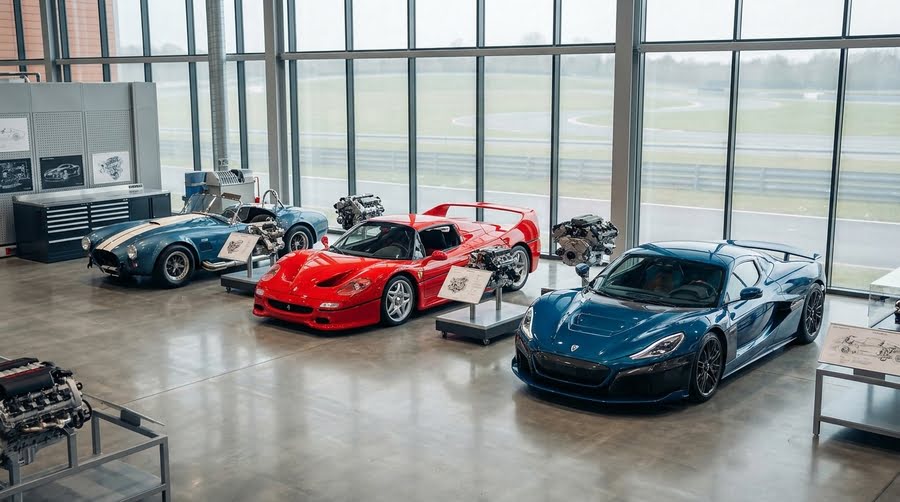
Performance cars have always captured the imagination of drivers who appreciate speed, precision, and engineering brilliance. While raw power often steals the spotlight, the true appeal of these vehicles lies in the careful balance between performance, technology, and reliability. Over the decades, performance cars have transformed from lightweight machines with powerful engines into highly sophisticated vehicles that combine intelligent electronics, advanced aerodynamics, and cutting-edge materials.
Today’s high-performance models are not simply faster versions of ordinary cars. They represent years of engineering development, countless hours of testing, and a relentless pursuit of perfection. Understanding how performance cars have evolved provides insight into why they continue to inspire enthusiasts across generations.
The Early Days of High-Performance Engineering
The foundations of modern performance cars were established in the early twentieth century when manufacturers began experimenting with larger engines and lighter chassis. During this era, success was largely determined by mechanical simplicity. Engineers focused on reducing weight while extracting as much power as possible from naturally aspirated engines.
As motorsport gained popularity, manufacturers recognised that racing provided the perfect environment to develop technologies that could later appear in road-going vehicles. Suspension systems improved, braking performance became more reliable, and engines became increasingly efficient without sacrificing power.
These early developments created a culture of continuous innovation that still drives performance car engineering today.
Racing as the Ultimate Testing Ground
Many of the greatest advancements in automotive engineering have originated on the racetrack. Racing exposes vehicles to conditions far beyond normal road use, making it an ideal environment for testing new ideas.
Manufacturers quickly realised that every improvement in handling, cooling, or durability could eventually benefit everyday drivers. Disc brakes, aerodynamic enhancements, turbocharging, and advanced transmission systems all became more refined through motorsport competition before reaching production vehicles.
The lessons learned through endurance racing, rallying, and circuit championships continue to shape the design philosophy of modern performance cars.
The Rise of Precision Engineering
During the latter half of the twentieth century, engineers began shifting their focus from simply increasing horsepower to improving the overall driving experience. Better suspension geometry, stronger yet lighter materials, and increasingly sophisticated engine management systems allowed vehicles to deliver more predictable performance.
This period also saw improvements in manufacturing quality. Tighter tolerances meant engines could operate more efficiently while maintaining exceptional reliability. Computer-aided design revolutionised vehicle development, allowing engineers to simulate stress, airflow, and handling characteristics long before physical prototypes were built.
As a result, performance cars became quicker, safer, and considerably more dependable than their predecessors.
Aerodynamics Became a Game Changer
One of the most significant developments in modern performance car engineering has been the understanding of aerodynamics.
Earlier sports cars were designed primarily for appearance, but engineers soon discovered that airflow could dramatically affect stability and speed. Front splitters, rear diffusers, adjustable wings, and carefully sculpted body panels all help manage airflow around the vehicle.
Rather than creating unnecessary drag, modern aerodynamic components increase downforce, allowing cars to maintain grip through high-speed corners while remaining stable during acceleration and braking.
Many performance cars now actively adjust aerodynamic elements depending on driving conditions, demonstrating just how advanced vehicle engineering has become.
Materials That Changed the Industry
Weight has always been the enemy of performance. Engineers continually search for stronger materials that reduce mass without compromising safety.
Steel dominated automotive manufacturing for decades, but aluminium gradually became more common in performance applications. Today, carbon fibre, magnesium, titanium, and advanced composites play an increasingly important role in reducing overall vehicle weight.
These materials improve acceleration, braking, fuel efficiency, and cornering performance simultaneously. Lower weight also places less strain on tyres, suspension components, and braking systems, contributing to greater long-term durability.
The widespread adoption of lightweight materials represents one of the most important engineering breakthroughs in modern automotive history.
Preserving Performance Through Quality Maintenance
Engineering excellence extends well beyond the production line. Even the most carefully designed performance car depends on proper maintenance to continue operating at its best throughout its lifespan.
Owners who prioritise regular servicing often focus on using high-quality Porsche spare parts when maintaining performance-focused models, helping preserve factory specifications, reliability, and driving characteristics over many years of ownership.
Attention to preventative maintenance allows engines, transmissions, suspension systems, and braking components to continue performing as engineers originally intended.
Electronics Have Revolutionised Driving
Modern performance vehicles rely on sophisticated electronics working seamlessly alongside mechanical components.
Electronic stability control, adaptive suspension, launch control, active differentials, and multiple driving modes allow drivers to experience incredible performance while maintaining impressive levels of safety.
Advanced onboard computers constantly monitor hundreds of parameters every second, adjusting engine output, suspension stiffness, braking force, and traction depending on road conditions.
These intelligent systems do not replace driving skill; instead, they enhance the driver’s ability to safely explore the vehicle’s capabilities.
Hybrid and Electric Performance Cars
The automotive world is experiencing another major transformation with the emergence of hybrid and fully electric performance vehicles.
Electric motors deliver maximum torque almost instantly, providing acceleration figures that were once unimaginable. Hybrid systems combine internal combustion engines with electric assistance, offering remarkable performance while improving fuel efficiency and reducing emissions.
Manufacturers continue investing heavily in battery technology, cooling systems, and power management software to ensure electric performance cars remain competitive both on the road and on the track.
Although some enthusiasts still prefer the sound and character of traditional petrol engines, modern electrified performance cars demonstrate that engineering innovation continues to push boundaries.
Driver Experience Still Comes First
Despite all the technological advances, the primary goal of every performance car remains unchanged: delivering an engaging driving experience.
Engineers carefully tune steering feedback, throttle response, suspension behaviour, and braking feel to create a connection between driver and machine. Every adjustment, no matter how small, contributes to the overall character of the vehicle.
Some manufacturers favour razor-sharp handling, while others prioritise grand touring comfort without sacrificing speed. This diversity ensures there is a performance car suited to every driving style and personal preference.
The best vehicles successfully blend technology with emotion, creating memorable experiences every time they are driven.
Looking Towards the Future
The future of performance cars promises even greater innovation. Artificial intelligence, predictive suspension systems, advanced battery technology, and increasingly sophisticated driver assistance systems will continue transforming automotive engineering.
Manufacturers are also exploring sustainable materials, carbon-neutral production methods, and alternative fuels without compromising performance. These developments suggest that future sports cars will become not only faster but also more environmentally responsible.
Autonomous technologies may influence certain aspects of driving, yet the passion for driving itself remains central to performance vehicle development. Engineers continue designing machines that reward skill, precision, and enthusiasm.
Conclusion
The evolution of performance cars reflects more than a century of engineering progress. From lightweight mechanical machines to technologically advanced performance vehicles, every generation has introduced innovations that redefine what is possible on the road and the racetrack.
Advancements in aerodynamics, materials, electronics, and powertrain design have transformed performance cars into remarkable examples of engineering excellence. While technology continues to evolve, the core principles remain the same: precision, reliability, innovation, and the pursuit of driving enjoyment.
As automotive engineering moves into a new era of electrification and intelligent systems, performance cars will undoubtedly continue inspiring enthusiasts with vehicles that combine breathtaking capability with extraordinary craftsmanship.