What Happens If You’re Hit by an Uninsured Driver?
Did you know that approximately 15.4% of U.S. motorists, or roughly one in seven drivers, are uninsured? Mississippi has a higher percentage of uninsured drivers than any other state, with about 29% of people driving without insurance.
Motor vehicle accidents involving uninsured drivers can cause serious legal and financial problems for victims. You may have difficulty getting compensation for your medical bills, car repairs, and lost wages.
In many cases, victims must rely on their own insurance coverage. This is true for uninsured motorist (UM) or underinsured motorist (UIM) coverage.
Here’s what to do if hit by an uninsured driver to make sure you get the compensation you deserve.
Uninsured and Underinsured Motorist Coverage
Most injured drivers in this situation can find a form of protection that serves as their primary safeguard. The coverage exists through UM coverage, which takes the place of liability insurance that the at-fault driver should have provided.
The policy provides compensation for medical costs along with lost income and physical and emotional distress together with additional damages until it reaches its maximum payout limit. Underinsured motorist coverage, or UIM, on the other hand, functions as a related insurance when the at-fault driver possesses some insurance but lacks sufficient coverage to fully pay for the victim’s damages.
The two parts of UM coverage function as separate systems that differ in operation from one state to another. Uninsured motorist bodily injury coverage, or UMBI, pays for medical costs, lost income, and non-economic damages such as pain and suffering. The insured’s vehicle receives financial protection through uninsured motorist property damage coverage, which is designated as UMPD.
The requirement exists for only some states. States determine whether UM or UIM coverage requirements exist. Some places make the coverage mandatory, while other locations require insurers to provide it as an option that customers can decline through written notice. A driver who rejected UM coverage during policy issuance would lose their right to file a claim after an accident with an uninsured driver.
Most states provide UM coverage for hit-and-run incidents because they treat unknown drivers as if they were uninsured motorists. States with this requirement demand that UMPD only operates if the unidentified driver actually crashed into the insured’s vehicle.
State-Specific Rules That Affect Recovery
Several states have enacted what are commonly called “no-pay, no-play” laws. This law restricts uninsured drivers from claiming non-economic damages through their accidents even when another driver causes the crash.
These laws do not affect insured drivers who are struck by uninsured motorists. Instead, they show how legislators create the framework for handling uninsured motorist claims. The rules regarding coverage depend on three factors, which include the state involved and the specific policy language and the applicable laws for the claim.
Stacking creates another need for state-specific evaluation. Policyholders in states that allow stacking can combine their UM coverage from multiple vehicles because they own multiple vehicles. A household with three vehicles that each have $25,000 UMBI coverage can use stacking to access $75,000 from one claim.
Approximately half of states prohibit stacking through statute or allow carriers to include anti-stacking provisions in their policies.
Pursuing the Uninsured Driver Directly
The driver who got hurt can launch a civil lawsuit against the driver who does not have insurance protection. The court will issue a damage judgment that includes medical costs, lost income, and compensation for suffering once liability is proven. Securing a judgment and the subsequent process of receiving payment differ from one another.
The majority of drivers who operate their vehicles without insurance coverage do so because they lack sufficient financial resources to keep their insurance policies active. A defendant who lacks substantial income and available savings and protected property will become judgment-proof because a court decision provides no real way to obtain compensation even if they win their case.
Most injured drivers find UM coverage to be their most dependable way to recover damages. A UM claim against the injured person’s own insurer involves a solvent party with contractual obligations, defined coverage limits, and established claims procedures.
Some states allow judgment creditors to obtain wage garnishment and property liens against non-exempt assets, although these methods take time to execute and produce limited results against defendants with financial limitations.
If you want to pursue a claim, know that the law sets strict deadlines for filing a car accident lawsuit. In most personal injury cases, you have up to four years from the date of the crash to bring a claim, according to Salt Lake City car accident lawyer Erik L. Mullins.
Immediate Steps After the Accident
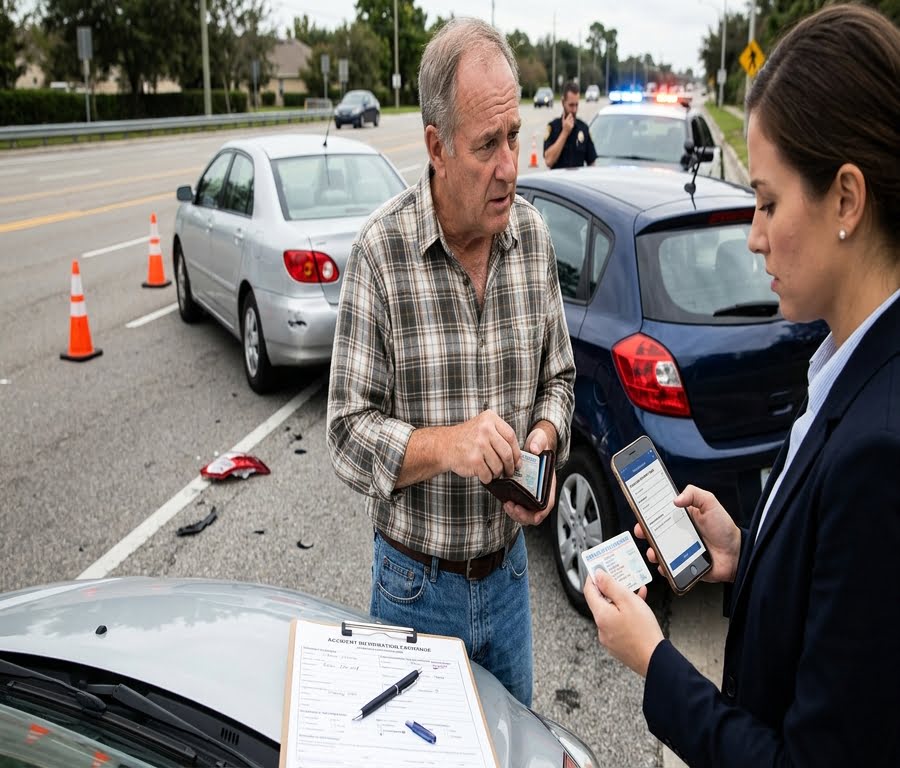
Your immediate actions after the collision directly affect the strength of any subsequent UM claim or civil action. What you need are police reports documenting the accident, identification of the at-fault driver, and confirmation of the driver’s lack of insurance.
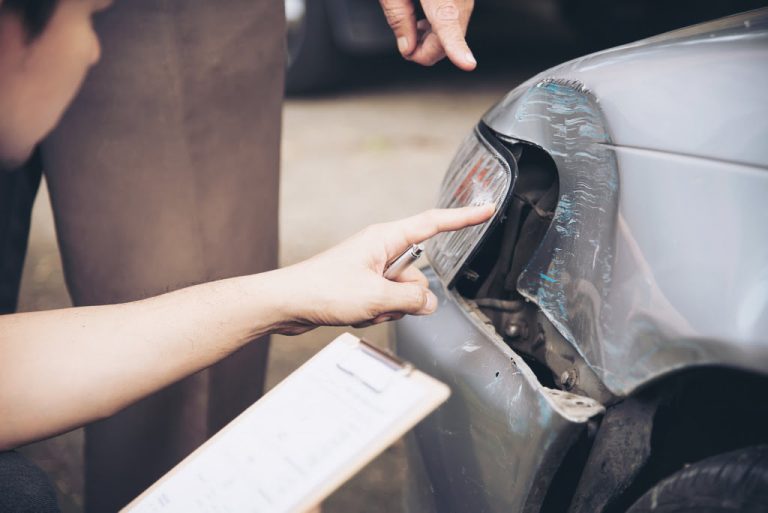
Visual evidence is also important. In this case, have a photo of the vehicle damage, road conditions, and visible injuries. Witness contact information should be collected because third-party accounts can help establish disputed facts about fault and impact severity. The injured person should get a medical evaluation right away because their doctor needs to see them even when they do not have visible injuries to create an official record that connects their injuries to the car crash.
The injured motorist must notify their own insurance company about the accident at the earliest opportunity. Most auto policies contain cooperation and notice requirements that, if not followed, can complicate or jeopardize a UM claim.
An attorney experienced in uninsured motorist claims will help clients manage their insurer relationship and determine if they should proceed with a direct lawsuit against the at-fault driver based on collectibility concerns. They will help clients identify all applicable coverage sources.
Key Takeaways
The national rate of uninsured drivers has reached one-seventh of all drivers in the United States, according to 2023 data. The existence of UM coverage enables injured victims to access their own insurance policy as their primary method of obtaining medical benefits and income replacement and non-financial damages until they reach the policy maximum.
States determine whether their residents require UM coverage because residents in states that allow optional coverage can entirely forgo the protection through documented denial. The law permits victims to sue uninsured drivers directly, but this option will not generate any financial compensation when the defendant possesses no assets that can be used to pay damages.
To maintain a UM claim, accident documentation must be completed without delay, and the insurer must receive notice within the required timeframe.