Upgrading Your Vehicle? Here’s What to Do with Your Old One
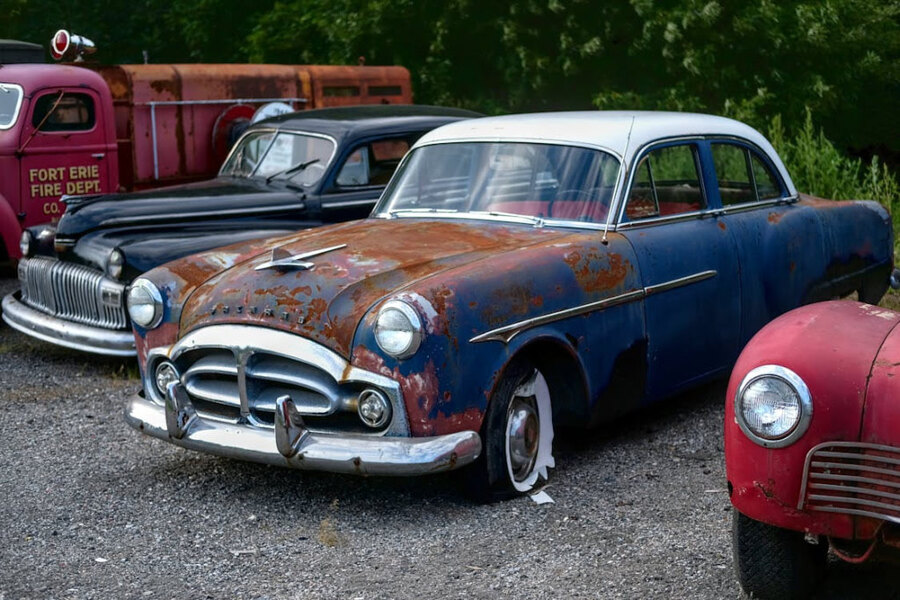
There comes a time when an older vehicle starts to feel less like a reliable ride and more like an ongoing expense. At first, keeping it may seem practical. But once repair costs rise, parts become harder to justify, or safety and reliability become concerns, it may be time to consider your other options.
If you’re wondering what to do with your old car before buying a new vehicle, here are some options worth considering:
- Sell It Privately
Selling an old car is often the first option that many owners consider because it can give you more control over the price. If the vehicle still runs well and has decent resale value, a private sale may help you get more than a trade-in or scrap offer.
However, the process can be stressful, especially when the car is older or needs work. In many vehicle sales, a bill of sale is used to record details such as the sale price, date, buyer information, seller information, and vehicle details. Some of the most frustrating parts include:
- Deciding whether to repair it or sell it as-is: This is one of the hardest decisions. Small repairs, like replacing worn tires or fixing a minor warning light, may help you attract buyers. But major repairs can quickly cost more than the car is worth. If the vehicle needs expensive engine, transmission, or rust repairs, selling it as-is may be the more practical choice.
- Figuring out a fair asking price: Pricing an old car can be tricky. Set the price too high and buyers may ignore the listing. Set it too low and you may lose money. You need to compare similar vehicles, consider mileage and condition, and be honest about any repairs the car needs.
- Dealing with low offers and unreliable buyers: Private selling often means answering the same questions over and over, dealing with lowball offers, and waiting for people who may not show up. This can be frustrating if you want the car gone quickly.
- Handling paperwork and payment: Once you find a buyer, you still need to complete the sale properly. That may include ownership documents, a bill of sale, payment verification, and checking local requirements before handing over the keys.
- Trade It In When Buying Your Next Vehicle
Trading in is another option if you want a faster and simpler way to move on from your old car. Instead of creating listings, answering messages, arranging test drives, and negotiating with private buyers, you can have the dealership assess your vehicle and apply its value toward your next purchase.
This can be helpful if your car still runs, has some resale value, and does not need major repairs. Even if the trade-in offer is lower than what you might get from a private sale, many drivers prefer convenience. It saves time and reduces the stress of trying to sell the car yourself.
The main thing to remember is that not every old vehicle is a good trade-in candidate. If the car has serious mechanical problems, severe rust, accident damage, or no real resale demand, the offer may be very low. In that case, it may be worth comparing whether it makes more sense to trade in or scrap a car based on its condition, repair costs, and how quickly you want it to be gone.
- Scrap Your Old Car for Cash
Scrapping your old car for cash makes sense when the vehicle has reached the point where it is more of a burden than an asset. Maybe it has been sitting in the driveway for months or maybe it needs a repair that costs more than the car is worth.
In situations like these, scrap car removal services can offer a simpler way to get rid of the vehicle. Instead of spending money on repairs or trying to convince buyers to take a chance on an aging car, hiring scrap car removal services in Toronto gives you the convenience of having the vehicle picked up directly, even if it no longer runs. Many services accept vehicles in different conditions, including cars that no longer start. Some scrap car services also accept junk cars without a title.
The amount you receive can depend on several factors, including:
- The make, model, and year of the vehicle: Some vehicles have parts that are in higher demand, which can affect how much they are worth as scrap.
- The overall condition of the car: A complete vehicle with usable parts may be worth more than one that is missing major components or has severe damage.
- Whether the car still runs: A running car may have more value than one that needs to be towed, although many scrap car removal services still accept non-running vehicles.
- The vehicle’s weight: Scrap value is often influenced by the amount of metal in the car. Larger, heavier vehicles may be worth more than smaller ones.
- The value of usable parts: Parts like the engine, transmission, catalytic converter, battery, tires, rims, lights, and electronics may add to the vehicle’s value if they are still in good condition.
- Part It Out and Sell the Components
If your old car is not worth selling as a whole, you may still be able to make money by selling individual parts. This is called parting out a vehicle. Instead of selling the entire car to one buyer, you remove valuable components and sell them separately.
This option can work well if the car has usable parts that are still in good condition, such as tires, rims, headlights, mirrors, seats, doors, battery, stereo system, engine parts, or electronics. Some buyers may only need one specific part to repair their own vehicle, especially if the model is older and parts are harder to find.
- Donate It to Charity
If your old car is no longer useful to you, donating it to charity may be one of the more meaningful old car disposal options. Rather than keeping it parked, paying for repairs, or trying to find a private buyer, you can turn the vehicle into support for an organization or cause.
This route is often chosen by people who want a simple process and are comfortable receiving less direct financial value. Some donation programs may offer pickup, help with the transfer process, and provide a receipt after the vehicle is accepted or sold.
Still, it is important to do a bit of checking first. Make sure the charity or donation program is reputable, confirm whether your vehicle qualifies, and ask how the car will be handled. If the vehicle is in poor condition, the organization may sell it for parts, scrap, or auction value instead of using it directly.
Final Takeaways
If you are upgrading to a newer vehicle, take the time to compare your options before making a final decision. Selling privately may bring in more money, trading it in may save time, scrapping it may be more convenient, and donating it may give the car a more meaningful purpose. The best choice is the one that helps you move forward without unnecessary stress or added expenses.