How Americans Are Purchasing Vehicles Without Seeing Them First
Over the past decade, the way Americans purchase vehicles has changed significantly. Buying a car sight unseen, once considered risky, is now common. Digital marketplaces, virtual inspections, dealership delivery programs, vehicle history reports, and nationwide auto transport services allow buyers to confidently purchase vehicles from hundreds or even thousands of miles away.
Remote vehicle purchasing is now a key part of the modern automotive industry, whether for families buying SUVs from other states, collectors acquiring classic cars, or dealerships sourcing inventory from wholesale auctions.
This trend has also changed how auto transport providers operate. Interstate shipping is no longer limited to relocations or seasonal moves; it is now an essential part of the vehicle-buying process.
This article examines the reasons behind the growing trend among Americans of buying cars without first seeing them, how this reduces risks, and why dependable car transportation has emerged as a crucial component of the modern automotive industry.
The Rise of the Digital Vehicle Marketplace
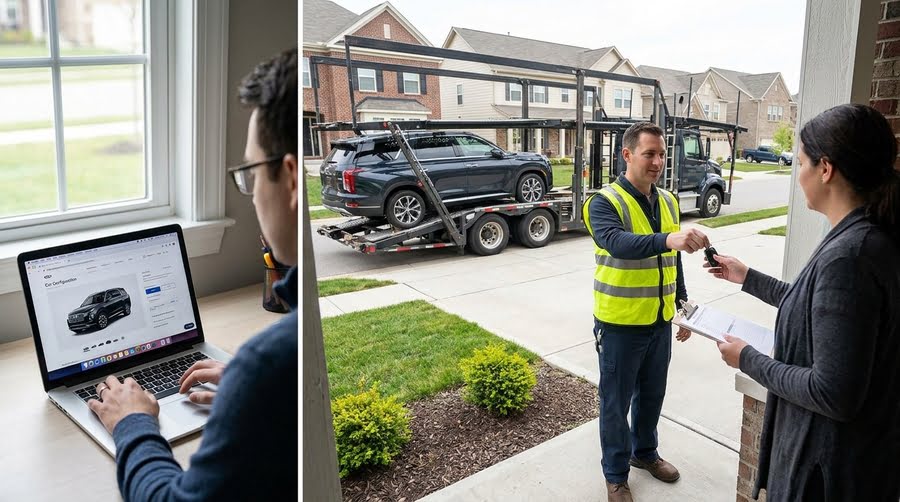
Previously, buying a vehicle meant visiting several dealerships, inspecting inventory in person, and negotiating directly. Now, buyers can access thousands of listings nationwide from their phones or computers and compare:
- Prices across multiple states
- Vehicle mileage
- Maintenance history
- Features and trim levels
- Dealer reviews
- Financing options
Rather than being limited to local inventory, buyers can now search nationwide to find exactly what they want. This broader access increases competition among sellers and offers buyers more choices than ever before.
As online vehicle purchasing grows, shipping companies have become a vital link between buyers and distant sellers.
Why Buyers Are Expanding Their Search Beyond Local Markets
Many Americans buy vehicles sight unseen because local inventory often lacks the best options. Buyers searching for specific vehicles may find:
- A lower price in another state
- A rare color combination
- Better maintenance records
- Lower mileage
- A discontinued trim package
- Certified pre-owned options unavailable locally
Regional and seasonal pricing differences also influence buying decisions. For example:
- Convertibles often sell for less during winter in northern states.
- Four-wheel-drive trucks may be more affordable outside snowy regions.
- Electric vehicles may have larger inventories in states with higher EV adoption rates.
As a result, more consumers shop nationwide to maximize value rather than settle for local inventory.
Technology Has Reduced Much of the Uncertainty
Previously, buying a vehicle sight unseen carried significant risk. Today, buyers have access to much more information. Modern listings often include:
High-Resolution Photography
Professional listings typically feature numerous images of:
- Exterior panels
- Wheels
- Interior seating
- Dashboard
- Cargo area
- Engine compartment
- Tire condition
Detailed photos enable buyers to spot cosmetic imperfections before purchase.
360-Degree Virtual Tours
Many dealerships now offer interactive walkarounds, allowing shoppers to inspect vehicles from nearly every angle. These immersive views offer greater confidence than traditional photos.
Video Walkthroughs
Recorded startup videos, driving demonstrations, and live video calls help buyers evaluate:
- Engine operation
- Dashboard functionality
- Warning lights
- Exterior condition
- Interior wear
Many dealerships also conduct live virtual appointments, where sales staff answer questions and show the vehicle in real time.
Vehicle History Reports Build Buyer Confidence
Independent vehicle history reports are now essential tools for remote buyers. These reports typically include:
- Previous ownership history
- Accident records
- Title status
- Service history
- Odometer readings
- Flood or salvage branding
- Registration records
While history reports cannot reveal every issue, they help buyers address many unknowns before purchase. Combining these reports with inspections further reduces risk.
Independent Inspections Offer Extra Peace of Mind
Many buyers engage third-party inspection companies before finalizing out-of-state purchases. Inspectors assess key components, including:
- Engine condition
- Transmission performance
- Suspension
- Braking system
- Tires
- Electrical equipment
- Interior wear
- Exterior damage
Inspection reports typically include:
- High-resolution photographs
- Mechanical assessments
- Road test observations
- Repair recommendations
For higher-value vehicles, these inspections offer reassurance comparable to an in-person evaluation.
Online Auctions Have Expanded Buying Opportunities
Vehicle auctions are no longer exclusive to licensed dealers. Many online platforms now allow consumers to purchase:
- Classic cars
- Collector vehicles
- Luxury automobiles
- Salvage vehicles
- Fleet vehicles
- Government surplus vehicles
Auction listings typically provide extensive documentation, photographs, and condition reports. Because buyers and sellers are often in different regions, purchased vehicles frequently require interstate transport. Auto transport company ensure these vehicles reach their new owners safely.
Certified Pre-Owned Programs Encourage Long-Distance Purchases
Certified pre-owned (CPO) vehicles are increasingly appealing to buyers considering remote purchases. Many programs offer:
- Multi-point inspections
- Manufacturer-backed warranties
- Limited roadside assistance
- Vehicle history verification
- Reconditioning standards
These certifications reduce uncertainty by confirming the vehicle meets established inspection standards before sale. For buyers searching nationwide, CPO inventory greatly expands available options.
The Growing Role of Auto Transport in Remote Vehicle Purchases
As more Americans purchase vehicles online, transportation has become an integral part of the buying process. Rather than driving long distances to collect vehicles, many buyers now use professional shipping services, which offer several advantages.
Saves Time
Cross-country travel often requires several days of driving. Shipping enables buyers to maintain their regular schedules while professionals manage the transportation process.
Reduces Wear and Tear
Long-distance driving quickly increases a vehicle’s mileage. Shipping helps preserve the following:
- Tire life
- Engine performance
- Brake components
- Overall resale value
This consideration is particularly important for collector cars, luxury vehicles, and new automobiles.
Improves Safety
Driving unfamiliar vehicles over long distances can pose risks. Professional transportation reduces exposure to the following:
- Severe weather
- Heavy traffic
- Road debris
- Mechanical breakdowns during extended travel
Open vs. Enclosed Transport for Online Purchases
The vehicle determines which shipping option is best.
Open Transport
Open carriers continue to be the most popular choice since they provide:
- Lower transportation costs
- Frequent nationwide routes
- High carrier availability
- Efficient delivery schedules
Most standard sedans, SUVs, pickup trucks, and crossovers can be safely shipped on open transport.
Enclosed Transport
Enclosed carriers offer additional protection from weather and road debris. They are often chosen for the following vehicle types:
- Luxury vehicles
- Exotic cars
- Antique automobiles
- Classic restorations
- High-value collector cars
This added protection makes enclosed shipping a preferred option for specialty vehicles purchased remotely.
Dealerships Are Selling to Buyers Nationwide
Local clients are no longer the only ones who can visit modern dealerships. Nowadays, many people frequently sell cars across state boundaries. Typically, their remote purchase procedure entails:
- Digital paperwork
- Electronic signatures
- Online financing
- Virtual vehicle presentations
- Home delivery coordination
- Professional shipping arrangements
Dealerships can offer inventory to a far wider audience and provide consumers with more competitive prices thanks to this broad reach.
Consumer Trust in Remote Purchases Continues to Grow
Several factors have contributed to growing consumer confidence, including:
- Better online transparency
- Independent inspections
- Vehicle history reporting
- Customer reviews
- Secure payment systems
- Improved communication
- Professional shipping networks
Purchasing a car online feels more and more like local shopping as every step of the process gets more dependable. The convenience now surpasses the reluctance that used to accompany long-distance transactions for many customers.
Tips for Buying a Vehicle Without Seeing It First
While remote vehicle purchases are now safer, thorough research is still essential. Before buying, consider the following steps:
- Verify the seller’s identity.
- Request detailed photos and videos.
- Review a vehicle history report.
- Arrange an independent inspection if possible.
- Confirm the title is clear.
- Confirm shipping costs before finalizing the purchase.
- Review the purchase agreement carefully.
- Record the vehicle’s condition before shipping.
Following these steps reduces unexpected issues and ensures a smoother transaction.
Mistakes to Avoid When Buying A Car Remotely
Even experienced buyers sometimes miss key details. Common mistakes include:
- Skipping the Inspection
Relying only on photos can miss hidden mechanical problems.
- Ignoring Transportation Timing
Shipping times depend on distance, route, weather, and carrier availability. Planning ahead helps prevent delays.
- Choosing Based Only on Price
The lowest price does not always mean the best value after factoring in transport, repairs, taxes, and registration.
- Failing to Read Shipping Documentation
Reviewing pickup procedures, insurance, and delivery inspections helps prevent misunderstandings during transport.
Avoiding these mistakes can significantly improve both cost and satisfaction.
The Future of Vehicle Buying Is Increasingly Remote
Technology is transforming how Americans buy vehicles. Artificial intelligence refines vehicle recommendations, and digital financing platforms expedite approvals. Advancements in virtual reality may soon let buyers inspect vehicles in greater detail from home.
Nationwide transportation networks are expanding to meet the rising demand for interstate vehicle deliveries. As remote purchasing grows, logistics providers, dealerships, and consumers will stay connected through efficient, technology-driven transportation solutions.
Buying a vehicle sight unseen has shifted from a rare occurrence to a common strategy in the United States. Digital marketplaces, comprehensive listings, independent inspections, certified pre-owned programs, and transparent history reports have greatly reduced the uncertainty that once deterred long-distance purchases.
Professional auto transport now plays a vital role in this transformation. By moving vehicles safely and efficiently across state lines, transport providers connect buyers with inventory beyond their local markets, reduce travel time, preserve vehicle condition, and simplify the purchasing process.
As technology advances and consumers become more comfortable with remote transactions, nationwide vehicle buying is expected to remain a key trend in the automotive industry. For vehicle owners, dealerships, auctions, and logistics professionals, understanding this shift is essential for navigating the future of vehicle purchasing and interstate transportation.