Common Mistakes That Lead to Intersection Accidents
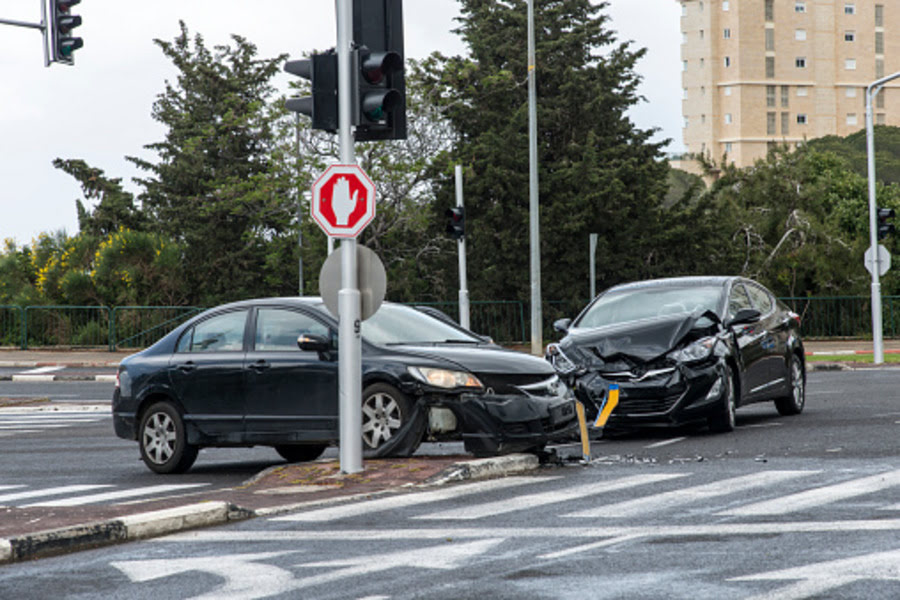
Intersection accidents are often caused by driver mistakes such as distracted driving, speeding, failure to yield, and ignoring traffic signals. These crashes can lead to serious injuries because intersections involve vehicles, pedestrians, cyclists, and changing traffic patterns all meeting in the same area at the same time.
Intersections are some of the busiest parts of any roadway system. Drivers must constantly watch traffic lights, cross traffic, pedestrians, turning vehicles, and lane changes while making quick decisions.
Heavy congestion and driver impatience can increase accident risks even further. Many of the most dangerous road intersections experience frequent crashes because a single mistake can quickly lead to side-impact collisions, multi-vehicle accidents, or pedestrian injuries.
Distracted Driving Is a Major Cause
Distracted driving is one of the leading causes of intersection accidents. Drivers who take their eyes off the road for even a few seconds may fail to notice traffic signals or stopped vehicles.
Common distractions include:
- Texting while driving
- Using GPS devices
- Eating or drinking
- Adjusting music or controls
- Talking on the phone
At intersections, even brief distractions can have serious consequences.
Running Red Lights Creates Serious Risks
Ignoring traffic lights is another common cause of intersection crashes. Drivers trying to beat yellow lights may enter intersections after signals have already changed.
Red light violations often lead to:
- T-bone collisions
- Pedestrian accidents
- Multi-vehicle crashes
- High-speed impact injuries
Side-impact crashes are especially dangerous because vehicle doors provide less protection than the front or rear of a vehicle.
Failure to Yield Causes Many Collisions
Many drivers misjudge traffic speed or fail to properly yield the right of way at intersections.
Failure-to-yield accidents often happen when drivers:
- Turn left in front of oncoming traffic.
- Ignore stop signs
- Enter traffic too quickly
- Fail to yield to pedestrians
These mistakes frequently occur in busy intersections with heavy traffic flow.
Speeding Reduces Reaction Time
Drivers traveling too fast may not have enough time to stop safely when traffic conditions suddenly change.
Speeding at intersections can:
- Increase stopping distance
- Reduce driver control
- Increase crash severity
- Make traffic signal timing harder to judge
High-speed intersection crashes often result in severe injuries.
Improper Left Turns Are Dangerous
Left turns require drivers to carefully judge traffic gaps and monitor several directions at once. Errors during left turns commonly lead to accidents.
Improper left turns may involve the following:
- Turning without enough clearance
- Failing to notice motorcycles or bicycles
- Misjudging vehicle speed
- Turning into the wrong lane
These crashes are common at busy urban intersections.
Poor Weather Conditions Increase Accident Risks
Rain, fog, snow, and ice can make intersections even more dangerous. Reduced visibility and slippery roads make stopping and turning more difficult.
Bad weather may contribute to:
- Skidding through intersections
- Rear-end collisions
- Delayed braking
- Reduced visibility of signals and signs
Drivers should reduce speed and increase following distance during poor weather conditions.
Aggressive Driving Leads to Unsafe Decisions
Aggressive driving behaviors often contribute to intersection accidents. Impatient drivers may ignore traffic rules or take unnecessary risks.
Aggressive driving may include the following:
- Tailgating
- Rapid lane changes
- Blocking intersections
- Running yellow lights aggressively
Stress and heavy traffic congestion can increase aggressive driving behavior.
Pedestrians and Cyclists are Especially Vulnerable
Intersections are not only dangerous for drivers. Pedestrians and cyclists face major injury risks because they have limited protection during collisions.
Common pedestrian accident causes include:
- Drivers failing to yield at crosswalks
- Distracted driving
- Turning without checking blind spots
Intersection safety requires attention to all roadway users.
Traffic Laws Help Regulate Intersection Safety
Traffic laws exist to reduce the risks associated with intersections and improve roadway safety.
For example, California Vehicle Code § 21453 requires drivers to stop at steady red traffic signals unless a legal turn is permitted.
Violating traffic laws may increase liability after an intersection crash.
Serious Injuries Often Result from Intersection Crashes
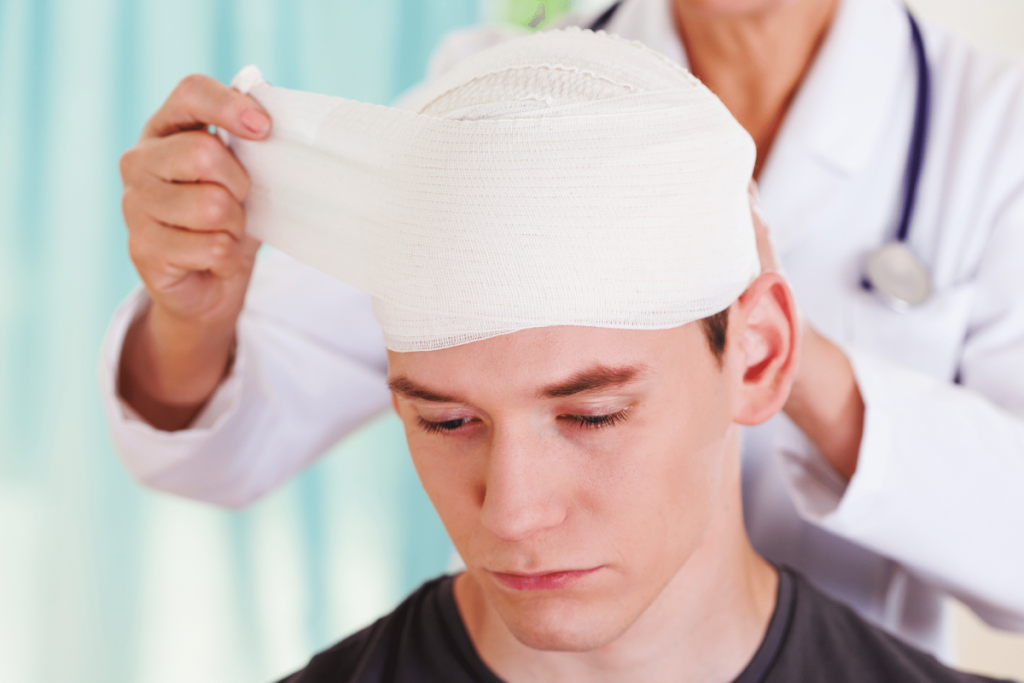
Intersection collisions frequently involve side impacts or sudden high-force crashes that can cause major injuries.
Common injuries include:
- Whiplash
- Broken bones
- Head injuries
- Back injuries
- Internal bleeding
Some victims may require long-term medical treatment and rehabilitation.
Defensive Driving Can Reduce Accident Risks
Drivers can reduce the likelihood of intersection accidents by practicing defensive driving habits.
Helpful safety tips include:
- Avoid distractions
- Slow down near intersections
- Watch for red-light runners
- Yield carefully during turns.
- Maintain safe following distances
Careful driving decisions can help prevent many crashes.
Key Takeaways
- Intersection accidents are commonly caused by distracted driving, speeding, and failure to yield.
- Running red lights often leads to dangerous side-impact collisions.
- The most dangerous road intersections usually involve heavy traffic and complex traffic patterns.
- Improper left turns and aggressive driving contribute to many crashes.
- Bad weather can reduce visibility and braking ability at intersections.
- Pedestrians and cyclists face especially high risks in intersection accidents.
- California Vehicle Code § 21453 regulates stopping at red traffic signals.
- Defensive driving habits can significantly reduce intersection accident risks.
Intersection accidents remain one of the most common causes of serious roadway injuries because intersections require constant driver attention and quick decision-making. Understanding the common mistakes that lead to these crashes can help drivers stay alert and make safer choices behind the wheel.