Buying Your First Car Easy: A Simple Guide That Actually Works
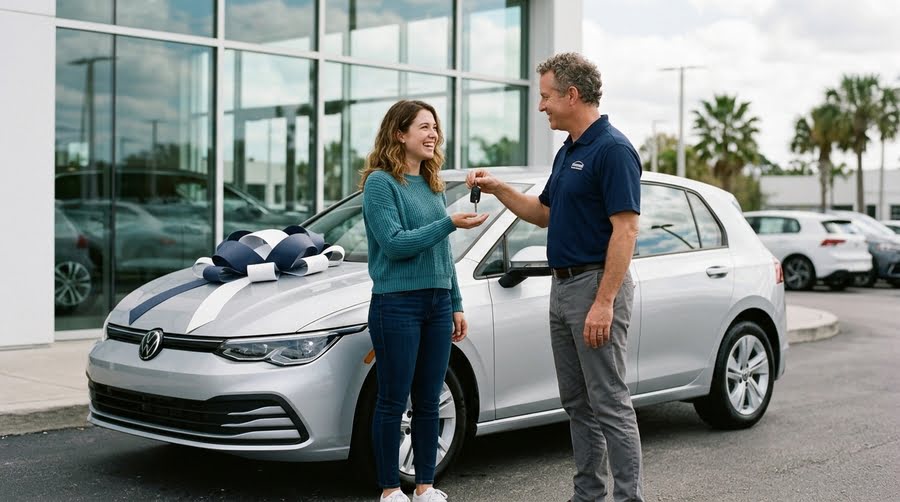
Your first car purchase can feel overwhelming as you stare at price tags and try to figure out what you can afford.
Here’s what most first-time buyers don’t know: you should keep your monthly car payment under 15% of your monthly income, and you’ll need at least 10% down for a used car or 20% for a new one. These numbers matter because they determine whether your first car becomes a source of freedom or financial stress.
That’s why we’ve created this straightforward piece on how to buy your first car. We’ll walk you through preparing your finances and finding the right vehicle so you can seal the deal with confidence. No fluff, just practical first time car buyer tips that work.
Getting Your Finances Ready
Check Your Credit Before Applying
Check your credit report before buying your first car. Visit AnnualCreditReport.com to get a free copy and review it for errors that could prevent loan approval. First time car buyers should know that lenders used FICO scores to approve 90% of auto loans, with the average credit score for new car financing at 756 and 684 for used cars in early 2025.
Improve Your Credit Score If Needed
Pay down credit card balances to lower your utilization rate below 30% if your score needs work. A higher credit score translates into better interest rates. Borrowers with prime credit (660+) receive APRs by a lot lower than those in the nonprime category.
Get Pre-Approved Before Visiting Dealerships
Get pre-approved for an auto loan before visiting dealerships. Pre-approval shows you the amount you can borrow and your interest rate. It strengthens your negotiating position as a cash buyer. Apply with multiple lenders within 14 to 45 days so credit checks count as a single inquiry.
Budget Beyond the Purchase Price
Budget for insurance and maintenance beyond the purchase price. The total cost of ownership matters more than focusing on monthly payments alone. Save money for your down payment months in advance and avoid draining emergency funds for the purchase.
Check Out: Car Leases Under $200 a Month No Money Down
Finding the Right Car
Decide Between New, Used, or Certified Pre-Owned
Your decision between new and used shapes everything else when buying your first car. New vehicles lose up to 40% of their value during the first year, which means someone else absorbs that depreciation hit when you buy used. Certified pre-owned (CPO) vehicles split the difference and offer cars that have 14% fewer problems than regular used models while still saving you money compared to new.
Prioritize Safety Ratings
Safety ratings deserve your attention before making any purchase decision. Check the Insurance Institute for Highway Safety (IIHS) ratings and the National Highway Traffic Safety Administration’s star system. The NHTSA assigns five stars to vehicles with much lower injury risk and one star to those with much greater risk. Models such as the 2024 Honda Civic and Toyota Camry score well for first-time buyers. They combine reliability with strong safety marks.
Test Drive More Than One Vehicle
Schedule test drives back-to-back so you can compare vehicles while impressions stay fresh. Drive each car for at least 30 minutes on both city streets and highways. Check how well you fit in the seat, whether you can reach all controls and if visibility meets your needs. Listen for unusual noises with the radio off, test the brakes for solid feel, and verify the headlights perform adequately at night.
Always Inspect Used Cars Properly
When buying used vehicles, request a vehicle history report and have a trusted mechanic inspect it before purchase.
Completing Your Purchase
Arrange Insurance Before Finalizing the Deal
Secure car insurance before you finalize your purchase. Dealerships require proof of insurance before handing you the keys, and driving without coverage is illegal in nearly every state. Contact your insurer to add the new vehicle if you already have a policy. Most carriers offer a grace period of 7 to 30 days, but update your policy right away to avoid coverage gaps.
Understand Coverage Requirements
First-time buyers without existing insurance can get a policy fast by providing the vehicle identification number (VIN), driver’s license and personal information. Lenders typically require full coverage insurance, which has comprehensive, collision and liability protection.
Bring the Necessary Documents
You’ll need to bring your driver’s license, proof of insurance and payment method to the dealership. Recent pay stubs and proof of residence are required for financing. Bring the title, registration and all keys if you’re trading in a vehicle.
Review Every Document Carefully
The buyer’s order needs a thorough review before it becomes a binding contract. Check the purchase price and vehicle details including VIN, and confirm no unexpected fees were added. The bill of sale records the transaction, and mistakes in ownership or transfer paperwork can create registration problems later. Because vehicle documentation requirements vary between states, some buyers use resources like ConsumerShield to better understand what should be included before signing.
Remember Ongoing Ownership Costs
Note that both registration and insurance require renewal at regular intervals once your car is registered.
Drive Away Confident in Your Decision
You now have everything you need to buy your first car without the usual stress and confusion. We’ve covered getting your finances ready, finding a vehicle that fits your needs, and completing the purchase correctly.
Preparation is the key. Pre-approval matters. Test drive multiple cars and read every document before signing. This decision deserves your time. Your first car should bring you freedom, not financial regret. These steps will help you drive away confident you made the right choice.
Also Read: Honda Pilot Years to Avoid